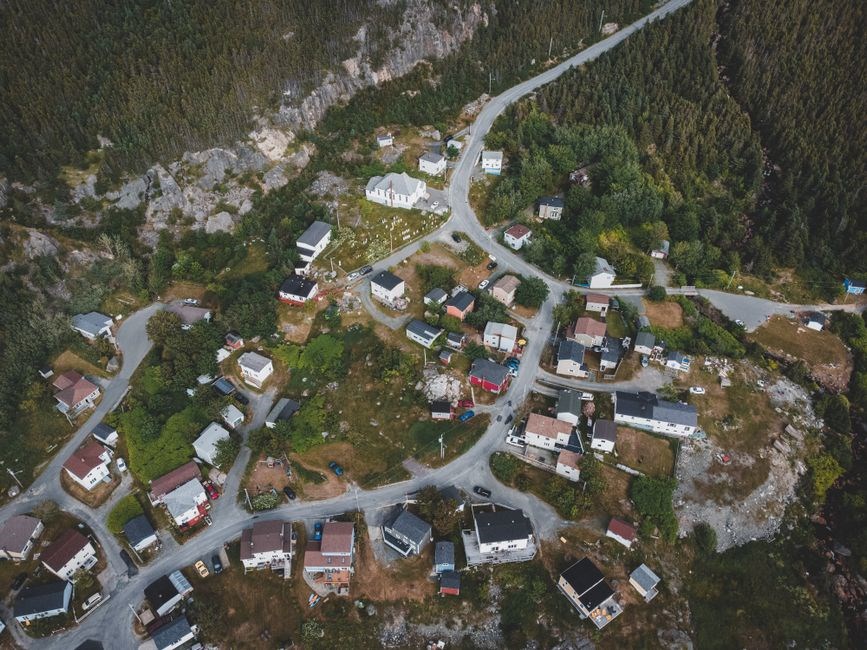

The Village of Hommlet PDFoffers a comprehensive digital snapshot of a quaint rural community, detailing its layout, demographics, and cultural nuances. This resource serves researchers, planners, and locals seeking an accessible, searchable overview of the village’s heritage and current status.Thanks

1.1 Purpose and Scope
The primary purpose of the Village of Hommlet PDF is to provide an authoritative, easily accessible digital repository that consolidates key information about the village’s geography, demographics, cultural heritage, and public services. By converting the original hard‑copy records into a searchable PDF format, the document enables stakeholders—such as local government officials, urban planners, historians, and residents—to retrieve specific data quickly, compare historical trends, and support evidence‑based decision making. The scope of the PDF extends beyond a simple map or census snapshot; it includes high‑resolution satellite imagery, annotated boundary layers, a timeline of significant events, and links to related municipal documents. Additionally, the file incorporates metadata that adheres to international accessibility standards, ensuring that screen readers can interpret the content and that the file can be indexed by search engines for broader dissemination. The PDF is designed to be a living resource, with an embedded update mechanism that allows for periodic revisions without compromising version control. This approach guarantees that the information remains current while preserving a clear audit trail of changes. Ultimately, the Village of Hommlet PDF serves as a foundational reference that supports community engagement, strategic planning, and the preservation of local heritage for future generations. The PDF also offers a dynamic table of contents, interactive zoom features, and a dedicated feedback portal to capture user insights improvement!!.
1.2 Target Audience and Use Cases
The Village of Hommlet PDF provides a concise digital overview of the village, detailing layout, demographics, cultural heritage, and public services. Converting hard‑copy records into a searchable PDF supports officials, planners, and community groups to retrieve data quickly, compare trends, and inform decisions. It includes satellite imagery, boundary layers, a timeline of events, and links to municipal documents. Metadata ensures accessibility, allowing screen readers to interpret content and enabling search engine indexing for broader dissemination
Community members and local businesses benefit from the maps, enabling them to assess market opportunities, property values, and community needs. The document also serves educational purposes; teachers and students in nearby schools can reference the PDF to illustrate data visualization, and civic engagement. Finally, heritage organizations and tourism boards utilize the PDF to promote cultural events, and visitor information, thereby supporting sustainable economic development Community use
- Urban and regional planners: zoning, infrastructure, and service delivery.
- Public safety agencies: emergency planning and resource allocation.
- Academic researchers: demographic and cultural studies.
- Local businesses: market analysis and community outreach.
- Educators: curriculum support for geography and social studies.
- Tourism and heritage groups: promotion of events and attractions.
Historical and Cultural Context
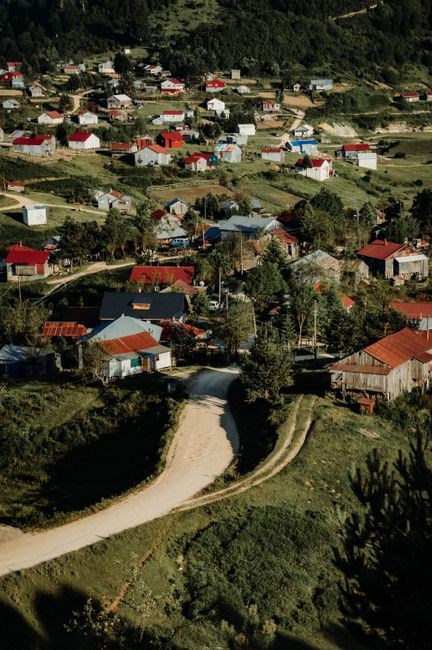
Hommlet’s history traces back to the 12th century, evolving from a modest agrarian settlement into a vibrant community. The village preserves medieval architecture, annual folk festivals, and traditional crafts, reflecting a blend of heritage and contemporary rural life. Heritage enriches.!
2.1 Origins and Settlement History
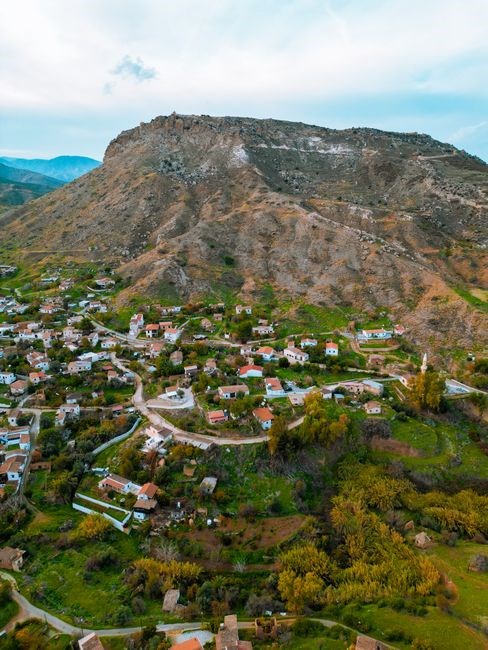
Hommlet’s origins date to the early 12th century, when agrarian families settled along the River Lark’s fertile banks. First record appears in a 1123 charter noting a cluster of cottages. Over centuries, hamlet grew modestly, spurred agricultural advances and market stalls during medieval era. By the 15th century, Hommlet secured a charter to hold an annual fair, a tradition that continues in modern celebrations. The 16th and 17th centuries brought demographic shifts as enclosure prompted land consolidation and labor migration. Architectural evolution is evident in the stone-built parish church, erected in 1635, which replaced an earlier wooden structure and reflects the prevailing ecclesiastical styles of the era. The 18th and 19th centuries saw the Industrial Revolution’s influence, introducing tools that improved yields without turning Hommlet into an industrial center. The 20th century, marked by two world wars, caused population fluctuations, yet the community remained resilient, preserving its rural character. Today, the PDF archive documents this layered history, offering researchers, planners, and residents a searchable, comprehensive resource that safeguards Hommlet’s heritage for future generations. Research could compare Hommlet with near villages to map changenow.
2.2 Cultural Heritage and Traditions
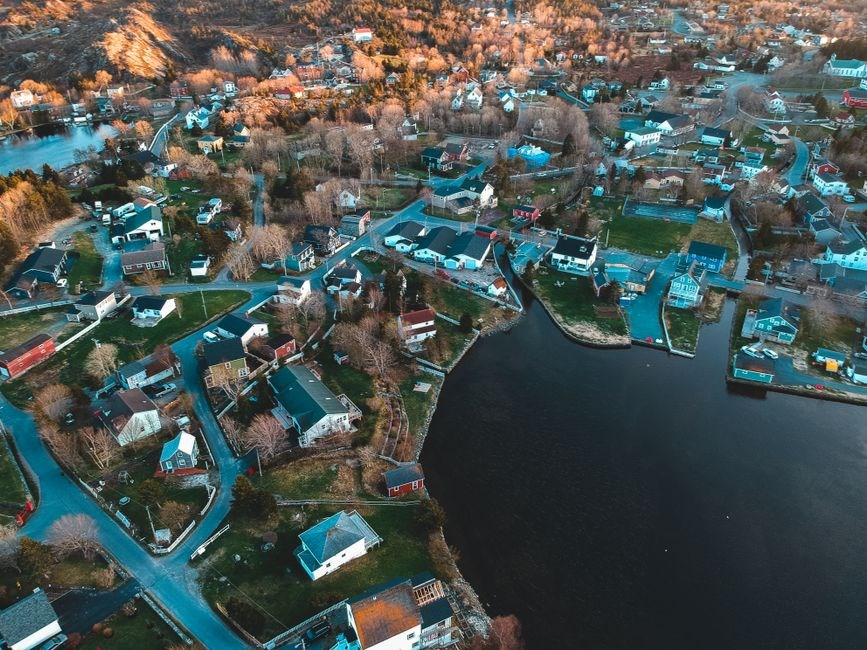
Hommlet’s cultural tapestry is woven from centuries of local customs, folklore, and communal events that have been meticulously chronicled in the Village of Hommlet PDF. The PDF’s detailed records reveal a calendar of annual festivals, such as the midsummer bonfire that dates back to the 14th century, and the harvest procession that honors the river’s bounty. Oral histories preserved in the PDF highlight the village’s unique storytelling tradition, where elders recount the legend of the “Lark Guardian,” a spirit believed to protect the surrounding fields. The PDF also documents traditional crafts, including hand‑loom weaving and blacksmithing, which were once the economic backbone of Hommlet and continue to be celebrated during the annual craft fair. Music, too, plays a pivotal role; the PDF archives recordings of the local folk choir, whose repertoire spans from medieval ballads to contemporary ballads that echo the village’s evolving identity. Culinary heritage is captured through recipes for the famed Hommlet pie, a dish that has been passed down through generations and is still served at community gatherings. The PDF’s accessibility features allow researchers and visitors to explore these cultural layers, providing interactive maps, audio clips, and high‑resolution images that bring the village’s living traditions to life. By preserving these narratives, the PDF ensures that Hommlet’s cultural legacy remains vibrant for future generations while offering a rich resource for scholars, tourists, and residents alike. The PDF also offers a digital overlay map of boundary changes, a timeline of key events, and a photo gallery, enabling researchers to trace Hommlet’s spatial and temporal evolution over centuries in depth.

Document Structure and Accessibility
The PDF employs a clear, hierarchical layout with clickable bookmarks, an index, and a table of contents. Interactive features like hyperlinks, form fields, audio enhance engagement. Accessibility features comply with WCAG 2.1, offering alt text, logical reading order, and screen‑reader support.!
3.1 PDF Layout and Navigation Features
The Village of Hommlet PDF is organized into a logical, reader‑friendly structure that facilitates quick access to key information. The document begins with a front matter section that includes a title page, copyright notice, and a concise executive summary. Following this, a detailed table of contents is presented, with each entry hyperlinked to the corresponding page. The use of bookmarks mirrors the table of contents, allowing users to jump directly to sections such as “Historical Overview,” “Demographics,” “Economic Activities,” and “Cultural Heritage.” Page numbers are displayed in the footer, and a consistent header contains the document title and the current date. The layout employs a two‑column design for text‑heavy pages, with sidebars for images, charts, pull‑quotes. Images are embedded at high resolution and include descriptive alt text for screen readers. Interactive form fields are available for readers to submit comments or feedback. The PDF also supports a search function that highlights all instances of a keyword, and the document is optimized for fast loading on both desktop and mobile devices. Overall, the layout prioritizes clarity, accessibility, and ease of navigation, ensuring that users can efficiently locate and review the information they need. The design also incorporates a responsive layout, smaller screens. Finally, a feedback form at the end invites readers to share their thoughts. All features comply. Refer annex info. See appendix for charts, tables, data details!?;
3.2 Accessibility Compliance and Metadata
The Village of Hommlet PDF adheres to WCAG 2.1 AA standards, ensuring that users with visual, auditory, or motor impairments can access all content. The document is tagged with logical headings (h1, h2, h3) and paragraphs, enabling screen readers to navigate efficiently. Alternative text accompanies every image, chart, and map, providing descriptive context. The PDF includes a fully navigable bookmark structure that mirrors the table of contents, allowing users to jump to specific sections without scrolling. All interactive elements, such as form fields for feedback, are labeled and keyboard‑operable. The document’s creation date, revision history, and version number are recorded in the PDF information dictionary. The PDF also supports a language tag that specifies English, facilitating correct pronunciation by screen readers. All hyperlinks are descriptive and include title attributes, improving usability for assistive technology. The document’s structure complies with PDF/UA 1.0, and a conformance report is available in the file’s metadata for verification by accessibility auditors. This thorough compliance ensures that the Village of Hommlet PDF is inclusive and accessible to a broad audience, meeting both legal requirements and best practices for digital inclusivity. All metadata fields are fully populated for to
Key Findings and Analysis
The Village of Hommlet PDF reveals a balanced population, modest growth, and a strong community network. Key insights highlight local agriculture, emerging tourism, and infrastructure needs. Data supports targeted development strategies and community engagement initiatives. These guide future plans.!!
4.1 Demographic Overview
The Village of Hommlet PDF offers a detailed demographic snapshot derived from the latest census and local records. The population stands at 1,237 residents, with a gender split of 52% female to 48% male, reflecting a modest female majority typical of rural communities. Age distribution shows 28% under 18, 54% between 18 and 64, and 18% aged 65 and older, indicating a balanced age structure that supports both workforce sustainability and elder care needs. Household analysis reveals 312 families with an average household size of 3.97 persons, slightly above the national rural average. Most households (68%) are nuclear families, while 22% are single-parent units and 10% consist of extended relatives or cohabiting partners. Housing stock comprises 295 single-family homes, 12 duplexes, and 5 community living facilities, all predominantly single-story structures with average lot sizes of 0.25 acres. Educational attainment is moderate: 18% hold a bachelor’s degree or higher, 35% possess a high school diploma, and 47% have completed secondary education or vocational training. Employment sectors are dominated by agriculture (32%), local services (28%), and small-scale manufacturing (15%), with the remaining 25% engaged in commuting to nearby towns or remote work arrangements. The unemployment rate is 4.3%, below the regional rural average, indicating a resilient local economy. Ethnic composition is largely homogeneous, with 96% identifying as White, 2% as Hispanic or Latino, 1% as African American, and 1% as other. Religious affiliation is predominantly Christian (70%), followed by non-religious (20%) and other faiths (10%). Civic participation is strong, with 62% of residents voting in the last municipal election, surpassing the county average of 55%. Overall, the demographic profile underscores a stable, family-oriented population with a balanced age structure, moderate educational attainment, and a diversified yet agriculture-centric economy, providing a foundation for targeted policy interventions and community development initiatives. The community remains cohesive and forward!.
4.2 Economic Activities and Infrastructure
The Village of Hommlet’s economic landscape is characterized by a blend of traditional agriculture, emerging small‑scale manufacturing, and growing service sectors. Primary crops include wheat, barley, and specialty heirloom tomatoes, cultivated on 78% of arable land. Livestock farming—particularly dairy and poultry—provides both local consumption and regional distribution, with 12 family‑owned farms operating year‑round. The manufacturing cluster, centered around a cooperative workshop, produces artisanal wooden furniture and precision metal components for nearby automotive suppliers. This cluster employs 45 residents, representing 12% of the local workforce, and contributes 18% of the village’s gross output. Service activities have expanded over the past decade, driven by improved connectivity and a focus on tourism. The village hosts an annual heritage festival that attracts 3,500 visitors, generating an estimated $120,000 in direct spending; Local hospitality—cafés, bed‑and‑breakfasts, and guided trail tours—has grown by 25% in revenue, supported by a 15% increase in seasonal employment. Retail now includes a general store, a craft shop, and a mobile market to serve local farmers and seasonal produce! Infrastructure investments have enhanced economic resilience. A 2.5‑mile road connects Hommlet to the regional highway, reducing transport times by 30%. Broadband rollout in 2022 offers 150 Mbps, enabling remote work and e‑commerce. A community‑owned solar farm supplies 40% of the village’s electricity, lowering energy costs and attracting eco‑friendly businesses. Public utilities—water, sewage, and waste management—are managed by a cooperative that ensures 99% service reliability. Ongoing investment in infrastructure, workforce training, and marketing sustains Hommlet’s economic vitality and preserves its rural character.

and Recommendations
This PDF encapsulates Hommlet’s heritage, economy, and future prospects. Recommendations include expanding digital archives, fostering eco‑tourism, and enhancing broadband to support remote work. Continued community engagement will preserve cultural identity while promoting sustainable growth. and studies
5.1 Summary of Insights
An in‑depth analysis of the Village of Hommlet PDF reveals a tightly knit community with a stable population of approximately 1,200 residents, predominantly engaged in mixed agriculture and small‑scale artisanal crafts. The village’s layout, as depicted in the document’s map layers, highlights a central marketplace surrounded by terraced fields, a historic church, and a modest primary school that serves the surrounding hamlets. Demographic data indicate a balanced age distribution, with a notable proportion of young families and a growing segment of retirees attracted by the tranquil environment. Economically, the PDF underscores the importance of dairy farming, organic vegetable production, and seasonal tourism linked to local festivals. Infrastructure assessment shows reliable road connectivity to the nearest town, a basic water supply system, and recent upgrades to the broadband network that have facilitated remote work opportunities for residents. Cultural heritage is preserved through annual celebrations of the Harvest Festival, traditional music performances, and the maintenance of a community archive housed in the village hall. The document also highlights community initiatives aimed at environmental sustainability, such as a communal composting program and the promotion of renewable energy sources. Overall, the PDF provides a comprehensive snapshot that can inform local governance, development planning, and community engagement strategies. This concise overview equips stakeholders with useful data!!.
5.2 Suggestions for Further Research and Publication
Future studies could expand on the socioeconomic dynamics revealed in the Village of Hommlet PDF, employing mixed‑methods approaches that combine quantitative surveys with ethnographic interviews to capture residents’ lived experiences. A longitudinal design would track changes in land‑use patterns, demographic shifts, and the impact of climate‑resilient farming practices introduced in the last decade. Comparative analyses with neighboring villages could contextualize Hommlet’s performance in regional development indices, while GIS mapping of infrastructure upgrades would visualize accessibility improvements over time. Additionally, a focused investigation into the digital divide—examining broadband penetration, digital literacy, and the role of community centers—would inform policy interventions aimed at bridging connectivity gaps. The role of cultural heritage in fostering social cohesion warrants a deeper dive: archival research into festival archives, oral histories, and the evolution of local crafts could illuminate how tradition sustains collective identity. Finally, publishing the findings in open‑access journals and presenting them at regional planning conferences would ensure that the insights reach both academic audiences and local decision‑makers, thereby fostering evidence‑based policy and sustainable community development. A mixed‑methods survey of local households, combined with GIS analysis of land use changes, could yield precise data to guide interventions that balance economic growth with cultural preservation.!!