

Safety Dave TPMS Manual PDF Download: A Comprehensive Guide
Access easy-to-follow instructions, troubleshooting, and diagrams by downloading the free Safety Dave TPMS manual (Australia) PDF today for safely monitored tires!
Safety Dave prioritizes customer safety and excellent service, offering Tyre Pressure Monitoring Systems (TPMS) designed for Australian roads and conditions. We understand the critical importance of maintaining optimal tyre pressure for safe driving, improved fuel efficiency, and extended tyre lifespan.
Our TPMS kits provide real-time monitoring of tyre pressure and temperature, alerting drivers to potential issues before they escalate into dangerous situations.
Whether you’re driving a car or towing a caravan, Safety Dave TPMS offers peace of mind. We are dedicated to providing reliable, easy-to-install systems backed by comprehensive support, including readily available PDF manuals for quick reference and troubleshooting.
What is a TPMS and Why is it Important?
A Tyre Pressure Monitoring System (TPMS) is an electronic system designed to monitor the air pressure inside your vehicle’s tyres. It alerts you when pressure drops significantly, potentially preventing accidents caused by underinflation. Maintaining correct tyre pressure is crucial for vehicle safety, handling, and braking performance.
Underinflated tyres can lead to increased fuel consumption, uneven wear, and even tyre failure.
Safety Dave TPMS provides a proactive solution, ensuring you’re always aware of your tyre conditions. Regular tyre inspections remain vital, but TPMS offers an extra layer of security, contributing to overall road safety and protecting lives.

Understanding the Safety Dave TPMS System
Safety Dave’s TPMS kits and sensors deliver safer driving, optimal tyre performance, and peace of mind for Australian roads and caravans.
Key Features of Safety Dave TPMS Kits
Safety Dave TPMS kits are engineered for comprehensive tyre monitoring, providing real-time pressure and temperature data directly to the user. These systems effectively monitor tyre conditions, though regular inspections remain crucial for peak performance and safety.
Key features include accurate sensors, user-friendly displays, and adjustable alarm settings for both pressure and temperature thresholds. The kits are designed for easy installation on cars and caravans, enhancing overall road safety.
Furthermore, Safety Dave prioritizes competent customer service, ensuring users receive support and guidance. The systems contribute to optimal tyre performance, extending tyre lifespan and improving fuel efficiency, ultimately offering peace of mind on every journey.
Types of Safety Dave TPMS Sensors Available
Safety Dave offers a range of TPMS sensors to suit diverse vehicle needs, ensuring compatibility and accurate monitoring. These sensors are designed to withstand harsh conditions, providing reliable performance over extended periods.
The available types include internal sensors, which replace the valve core, and external sensors that easily attach to the tyre valve stem. Each sensor type delivers real-time pressure and temperature readings, contributing to safer driving experiences.
Safety Dave’s sensors are known for their accuracy and durability, enhancing overall tyre performance and extending tyre lifespan. Regular tyre inspections, alongside TPMS monitoring, are vital for optimal safety and efficiency on the road.
Compatibility with Different Vehicles
Safety Dave TPMS kits are engineered for broad vehicle compatibility, encompassing cars, caravans, SUVs, and light commercial vehicles. Ensuring a secure fit and accurate readings across various makes and models is a priority.
The systems are adaptable, catering to both standard valve stems and specialized configurations. Before purchasing, it’s recommended to verify compatibility with your specific vehicle using Safety Dave’s online resources or by contacting their customer support team.
Proper installation and calibration are crucial for optimal performance, regardless of the vehicle type. Regular tyre maintenance, combined with TPMS monitoring, guarantees a safer and more efficient driving experience for all users.
Downloading the Safety Dave TPMS Manual PDF
Find comprehensive guides and diagrams on the Safety Dave website; download your free Australian TPMS manual PDF now for easy installation and use!
Locating the Manual on the Safety Dave Website
Navigating the Safety Dave website to find your TPMS manual PDF is straightforward. Begin by visiting the official Safety Dave website – the primary hub for all product information and support resources. Look for a dedicated “Support” or “Resources” section, often found in the website’s header or footer. Within this area, you should locate a “Manuals” or “Downloads” page.
From there, filter or search for “TPMS” or “Tyre Pressure Monitoring System” to narrow down the options. The Australian PDF manual should be clearly labelled for easy identification. Safety Dave prioritizes customer service, ensuring readily available documentation to assist with installation, operation, and troubleshooting. Should you encounter any difficulties, their customer support team is available to guide you through the process.
Direct Download Link for the Australian PDF
For immediate access to the Safety Dave TPMS manual PDF (Australian version), a direct download link is readily available to streamline your experience. While the specific link may be updated periodically, it’s typically accessible through promotional offers or dedicated product pages. As of today, March 26, 2026, downloading your free Safety Dave TPMS manual is simple!
Safety Dave values your time and convenience, providing a quick and efficient way to obtain essential documentation. Ensure your download source is legitimate to protect your device from potential security risks. This PDF contains vital information for optimal system performance and safe operation, including installation guides and troubleshooting tips.
Manual Contents Overview
The Safety Dave TPMS manual PDF comprehensively covers all aspects of your tyre pressure monitoring system. Expect detailed, step-by-step installation instructions, ensuring a smooth setup process for your car and caravan. It includes clear diagrams illustrating sensor placement and calibration procedures for optimal accuracy.
Furthermore, the manual provides a dedicated troubleshooting section addressing common issues like low battery warnings and sensor communication errors. You’ll find guidance on interpreting pressure readings and maintaining your TPMS for long-term reliability. It emphasizes the importance of regular tyre inspections alongside TPMS monitoring, reinforcing a holistic approach to vehicle safety.

Installing Your Safety Dave TPMS
Dave Cooper of Safety Dave demonstrates simple, step-by-step instructions for easy installation of the Tyre Pressure Monitoring System on your vehicle.
Step-by-Step Installation Guide
Follow Dave Cooper’s clear, concise instructions for a straightforward installation process. Begin by ensuring your vehicle is safely parked and the parking brake is engaged. Carefully remove the valve caps from your tires. Attach the TPMS sensors, ensuring a secure fit. Then, utilize the system’s receiver to calibrate each sensor individually, following the prompts on the display unit.
Proper calibration is crucial for accurate readings. Regularly check sensor functionality after installation. The manual provides detailed diagrams illustrating each step, making the process accessible even for those with limited technical experience. Remember, optimal performance and safety rely on correct installation and consistent monitoring of your tire pressure and temperature.
Tools Required for Installation
Fortunately, the Safety Dave TPMS installation generally requires minimal specialized tools; You will primarily need a wrench suitable for removing and tightening valve caps on your tires. A small screwdriver may be helpful for accessing the sensor battery compartment for future maintenance, though not essential for initial setup.
The included receiver unit and sensors form the core of the system, requiring no additional tools for communication. While not mandatory, having a tire pressure gauge on hand can be beneficial for cross-referencing readings and verifying accuracy. Always refer to the detailed manual for specific recommendations tailored to your particular Safety Dave TPMS kit.
Sensor Placement and Calibration
Proper sensor placement is crucial for accurate readings. Install each sensor onto the corresponding tire valve stem, ensuring a secure fit. After installation, the system typically self-calibrates during vehicle operation. However, the manual may detail a specific calibration procedure, often involving driving at a consistent speed for a short duration.
Dave Cooper of Safety Dave emphasizes following step-by-step instructions for optimal performance. Regularly check sensor positioning and battery levels. Accurate calibration ensures the TPMS effectively monitors tire pressure and temperature, contributing to safer driving and optimal tire performance. Refer to your manual for detailed guidance on sensor placement and calibration specific to your kit.
Troubleshooting Common TPMS Issues
Resolve low battery warnings, communication errors, or incorrect pressure readings by consulting the Safety Dave TPMS manual for effective troubleshooting tips.
Low Battery Warnings
Experiencing low battery warnings from your Safety Dave TPMS? This commonly indicates the sensor’s internal power source is nearing depletion. The comprehensive Safety Dave TPMS manual provides detailed guidance on identifying which sensor is reporting the low battery status, and outlines the necessary steps for replacement.
Typically, sensor batteries are designed to last for several years, but factors like temperature extremes and usage can affect longevity. The manual illustrates how to access the sensor ID through the TPMS display unit, allowing for precise replacement. Don’t ignore these warnings; continued operation with a low battery can lead to inaccurate readings or complete sensor failure. Refer to the manual’s section on sensor replacement for a smooth and efficient process, ensuring continued safety and accurate tire monitoring.
Sensor Communication Errors
Encountering sensor communication errors with your Safety Dave TPMS can be frustrating, but the detailed manual offers effective troubleshooting steps. These errors often manifest as a missing sensor reading on the display unit, or a persistent “—” symbol. The manual explains potential causes, including interference from other electronic devices, physical obstructions, or a sensor that has become dislodged.
It guides you through a sensor re-learning procedure, which allows the TPMS receiver to re-establish communication with each sensor. The manual provides clear, step-by-step instructions, including the correct sequence for activating each sensor. If the issue persists, the manual advises checking the sensor’s physical condition and battery level. Proper diagnosis, as outlined in the manual, ensures reliable tire pressure monitoring and a safer driving experience.
Incorrect Pressure Readings
If your Safety Dave TPMS displays incorrect pressure readings, consult the comprehensive manual for guidance. Discrepancies can arise from several factors, including temperature fluctuations, which naturally affect tire pressure. The manual details how to account for these changes and interpret readings accurately. It also addresses potential sensor malfunctions, explaining how to identify a faulty sensor through diagnostic procedures.
The manual emphasizes the importance of verifying readings with a calibrated tire pressure gauge. Comparing the TPMS readings to a manual check helps pinpoint the source of the error. It provides instructions on recalibrating the system if necessary, ensuring consistent and reliable data. Regular tire inspections, as recommended in the manual, are crucial for maintaining accurate pressure monitoring and optimal tire performance.
Maintaining Your Safety Dave TPMS
Ensure optimal performance and safety through regular tyre inspections, sensor maintenance, and cleaning, as detailed within your Safety Dave TPMS manual.
Regular Tyre Inspections
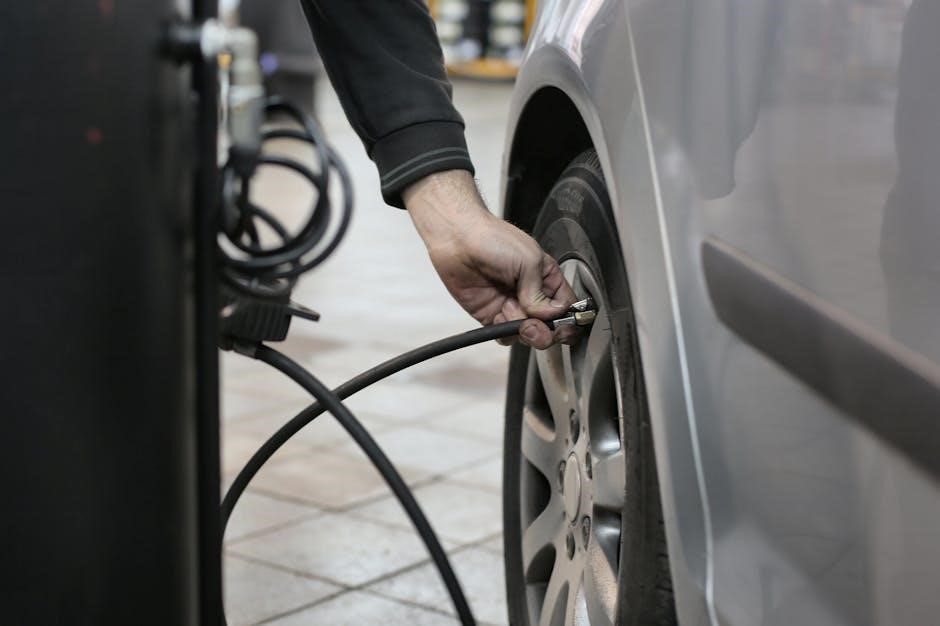
Consistent tyre inspections are paramount, even with a functioning Safety Dave TPMS. Your TPMS effectively monitors pressure and temperature, but it doesn’t replace the need for visual checks. Regularly inspect your tyres for cuts, bulges, uneven wear, and embedded objects.
Proper tyre inflation, verified by your TPMS, contributes to even wear, maximizing tyre lifespan and fuel efficiency. Check tyre pressure manually with a gauge periodically to confirm TPMS accuracy. Remember, the TPMS is a monitoring tool, and proactive tyre maintenance remains crucial for overall vehicle safety and performance. Refer to your vehicle’s manual for recommended tyre pressure specifications.
Sensor Maintenance and Cleaning
To ensure optimal performance of your Safety Dave TPMS sensors, occasional maintenance is recommended. While generally robust, sensors can accumulate dirt and debris, potentially affecting readings. Periodically inspect the sensors for any visible buildup.
Gentle cleaning with mild soap and water is usually sufficient; avoid harsh chemicals or abrasive cleaners. Ensure the sensors are completely dry before re-installation. Check for any physical damage to the sensor housing. Proper sensor care, alongside regular tyre inspections, contributes to the longevity and accuracy of your TPMS, providing continued peace of mind and enhanced driving safety.
Updating the TPMS Software (if applicable)
Currently, information regarding software updates for Safety Dave TPMS systems is limited. However, advancements in technology may introduce update capabilities in future iterations of the product; Should updates become available, Safety Dave will likely provide instructions via their website or through customer support channels.
Checking the Safety Dave website regularly for firmware updates is advisable. These updates, if released, could enhance system functionality, improve accuracy, or address potential compatibility issues. Maintaining the latest software ensures your TPMS operates at peak performance, contributing to safer driving conditions and optimal tyre management. Stay informed through official Safety Dave communications.

Safety Considerations & Occupational Health
Protecting lives and preventing harm are paramount; every worker deserves a safe and dignified job, aligning with OSHA standards and best practices.
OSHA Standards and Workplace Safety
Occupational Safety and Health Administration (OSHA) provides crucial regulatory and enforcement information, focusing on hazard identification and control within workplaces. These comprehensive topics pages assist employers and workers alike in understanding and implementing best practices for a safer environment.
OSHA’s commitment extends to ensuring every job is carried out with safety and dignity, actively collecting insights through Learning Conversations to shape future efforts. Prioritizing safety isn’t merely a compliance issue; it’s a core workplace value.
Furthermore, OSHA offers resources covering chemical hazards, reactivity, and specific substances like butadiene and cadmium, promoting a proactive approach to workplace wellbeing and hazard mitigation.
The Business Case for Safety and Health
Investing in workplace safety and health isn’t simply an ethical imperative, it’s a sound business strategy. A safe work environment demonstrably reduces costs associated with injuries, illnesses, and lost productivity. Proactive hazard control minimizes downtime and improves overall operational efficiency.
Furthermore, a strong safety culture enhances employee morale, engagement, and retention, leading to a more skilled and dedicated workforce. Demonstrating a commitment to worker wellbeing also strengthens a company’s reputation and brand image.
Ultimately, prioritizing safety translates to improved financial performance, reduced risks, and a more sustainable and successful business model – a compelling case for investment.
Hazard Identification and Control
Effective hazard identification is the cornerstone of any robust safety program. This involves systematically recognizing potential sources of harm within the workplace, ranging from physical dangers to ergonomic stressors and chemical exposures. OSHA provides resources and guidance on this crucial process.
Once hazards are identified, control measures must be implemented to eliminate or minimize the associated risks. These controls can include engineering solutions, administrative procedures, and the use of personal protective equipment (PPE).
Regular hazard assessments and proactive risk management are essential for maintaining a safe and healthy work environment, preventing incidents, and protecting employees.

Additional Resources & Bonus Offers
Quote “SD TPMS 10” for a discount on Tyre Pressure Monitoring Systems, and download your free Safety Dave TPMS manual PDF now!
Safety Dave Discount Code (SD TPMS 10)
At Safety Dave, we deeply value our customers and are committed to providing both safety and exceptional service. As a token of our appreciation, we’re delighted to offer an exclusive discount on our Tyre Pressure Monitoring Systems (TPMS).
To redeem this special offer, simply use the discount code SD TPMS 10 during checkout on our website. This code will apply a reduction to your total purchase, making it even easier to invest in the safety and performance of your vehicle.
Don’t miss out on this opportunity to enhance your driving experience with a reliable and accurate TPMS from Safety Dave. Combine this discount with our free downloadable TPMS manual (Australia) PDF for a complete package!
Contacting Safety Dave Customer Support
Our dedicated customer support team is here to assist you with any questions or concerns regarding your Safety Dave TPMS. We pride ourselves on providing competent and excellent service to ensure your complete satisfaction.
For immediate assistance, please visit the ‘Contact Us’ section on our website, where you’ll find a comprehensive FAQ and a convenient contact form. You can also reach us directly via email or phone during our business hours, which are clearly displayed on our website.
We are committed to helping you get the most out of your TPMS, including accessing the free downloadable manual (Australia) PDF and utilizing the SD TPMS 10 discount code.