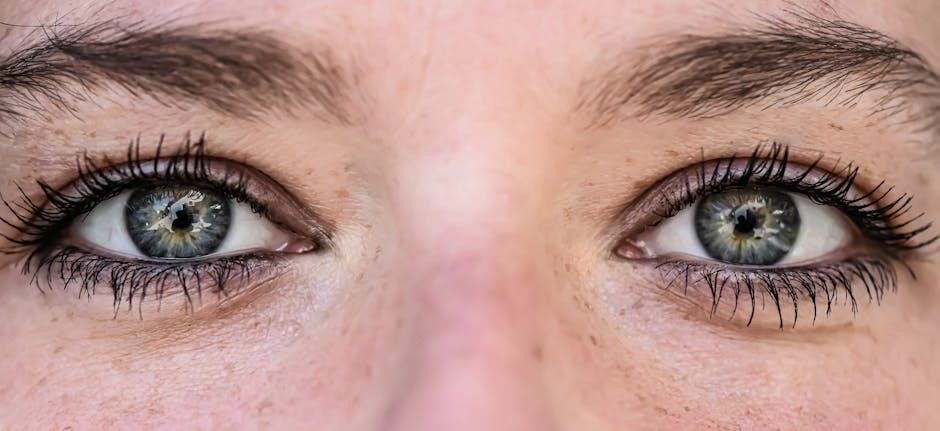

Eye Shape Guide: A Comprehensive Overview (Updated 03/30/2026)
Today’s date is 03/30/2026 13:49:42. Understanding your unique eye shape is key to flattering makeup application, enhancing natural beauty, and achieving desired looks.
The captivating world of eyes is incredibly diverse! From the subtle curves to the distinct folds, each eye shape possesses a unique character and beauty. Eyes come in a stunning array of sizes, colors, and, crucially, shapes – and recognizing yours is the first step towards unlocking your makeup potential.
It’s about working with your natural features, not against them. A universally flattering technique simply doesn’t exist; what looks dramatic on one person might appear understated on another. This guide aims to demystify the various eye shapes, providing insights into how to best accentuate your individual eye structure.
Naturally, different shapes respond to different makeup tricks and tips, allowing you to spotlight your eyes at their absolute best.
Why Understanding Your Eye Shape Matters
Knowing your eye shape isn’t just about aesthetics; it’s about maximizing the impact of your makeup! Applying techniques designed for a different shape can lead to underwhelming or even unflattering results. For instance, eyeliner placement dramatically alters the perceived shape and size of the eye.
Understanding your unique eye structure allows for targeted enhancement. You can strategically use eyeshadow, liner, and mascara to create the illusion of lift, width, or depth, correcting perceived imbalances and highlighting your best features.
Ultimately, it empowers you to confidently experiment and discover what truly works for your eyes, leading to a more polished and personalized look.
Common Eye Shape Categories
Eyes are wonderfully diverse, but fall into several recognizable categories. The most frequently discussed include Almond, Round, Hooded, Monolid, Upturned, and Downturned eyes. Almond eyes, often considered the “classic” shape, feature a balanced proportion and slightly pointed outer corners.
Round eyes are characterized by their visible sclera and lack of a prominent crease. Hooded eyes have a fold of skin that covers the eyelid, while Monolid eyes present a smoother, more defined appearance without a crease.
Upturned eyes exhibit a natural lift, and Downturned eyes have a subtle droop. Recognizing these basic shapes is the first step towards tailored makeup application.
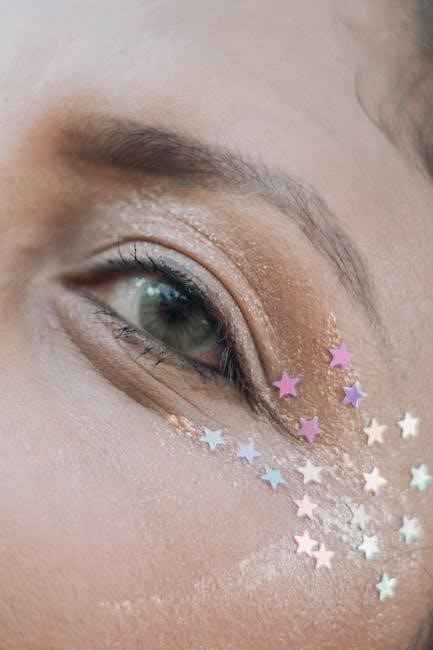
Detailed Analysis of Eye Shapes
Delving deeper, we’ll explore each eye shape individually, focusing on their unique characteristics and how to best accentuate their natural beauty with makeup techniques.
Almond Eyes: The Classic Shape
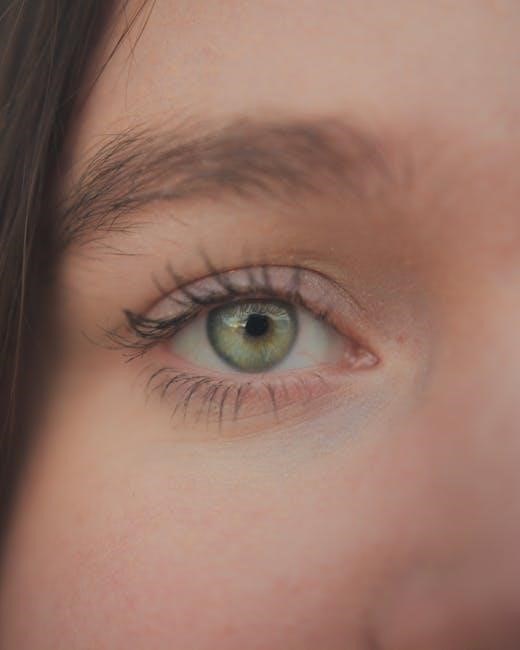
Almond eyes are considered the most versatile eye shape, characterized by a balanced proportion and a slight upward tilt. The iris is usually fully visible, and there’s a natural crease in the eyelid. This shape allows for a wide range of makeup looks, from subtle and natural to bold and dramatic. Because of their balanced form, almond eyes can pull off almost any style of eyeliner or eyeshadow.
However, understanding how to enhance their natural beauty is still crucial. The goal isn’t necessarily to drastically change the shape, but rather to accentuate its inherent elegance. This shape is often seen as the ideal, making it a fantastic base for experimentation and creativity in makeup artistry.
Makeup Techniques for Almond Eyes
For almond eyes, the possibilities are truly endless! To enhance their natural shape, focus on techniques that elongate and define. A classic winged eyeliner works beautifully, extending slightly upwards to accentuate the lift. Eyeshadow blending is key; use a medium shade across the lid, a darker shade in the crease, and a highlight on the brow bone.
Smoky eyes are also incredibly flattering. Don’t be afraid to experiment with color! Since almond eyes are so versatile, you can play with various shades and finishes. Remember, the goal is to enhance, not mask, the eye’s natural beauty, creating a harmonious and balanced look.
Round Eyes: Wide and Expressive
Round eyes are characterized by their visible iris and lack of a defined crease. They possess an inherently youthful and open appearance, but can sometimes appear even wider with certain makeup choices. The aim with round eyes is to add some definition and depth, avoiding looks that make them seem overly large or doll-like.
Contouring the crease with a medium-toned eyeshadow is crucial. Extending the shadow slightly outwards creates the illusion of length. Avoid overly bright or shimmery shades all over the lid, as these can exaggerate roundness. Subtle, blended looks are your best friend, enhancing their natural expressiveness.
Eyeliner Styles for Round Eyes
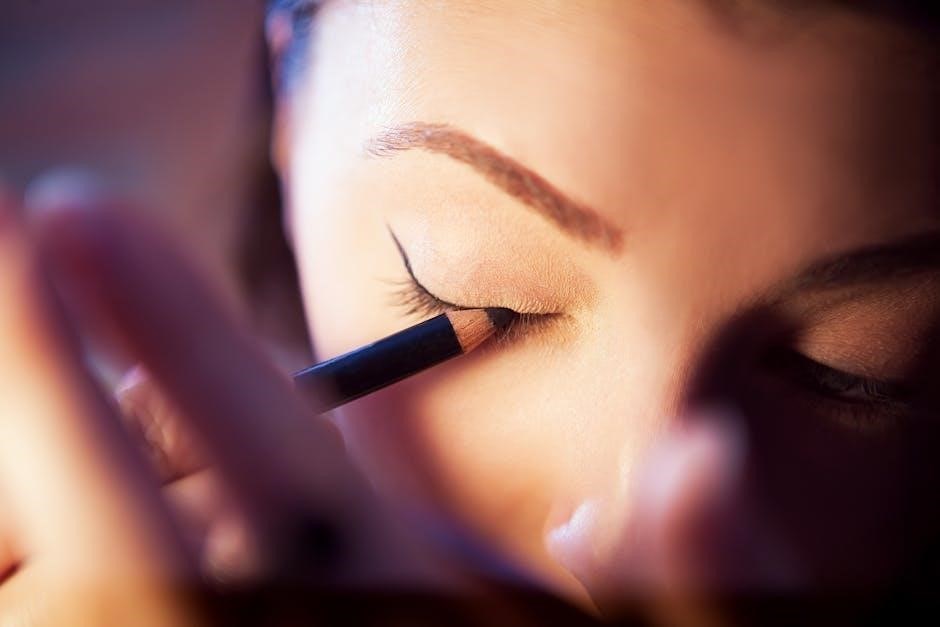
For round eyes, eyeliner should focus on adding subtle definition and lengthening the eye shape. A thin line, gradually thickening towards the outer corner, is incredibly flattering. Winged eyeliner can work beautifully, but keep the wing relatively short and angled upwards to lift the eye. Avoid heavy, thick lines along the entire lash line, as this can close off the eye and emphasize its roundness.
Smudged eyeliner, blended softly, creates a softer, more diffused look. Lining the upper lash line only is often sufficient, but a touch of dark shadow along the lower lash line can add depth. Experiment with brown or grey eyeliner for a more natural effect, enhancing your eyes without overwhelming them.
Hooded Eyes: With a Folded Crease
Hooded eyes feature a crease that folds over the eyelid, often concealing much of the mobile lid when the eyes are open. This can make applying eye makeup challenging, as traditional techniques can disappear into the fold. The goal is to create the illusion of depth and lift. Applying eyeshadow slightly above the natural crease, visible when looking straight ahead, is crucial.
Focus on building color and definition where the eye is actually seen. Utilize lighter shades on the lid and darker shades in the crease to create dimension. Avoid heavy, dark colors all over the lid, which can make the eyes appear smaller and more hooded.
Eye Shadow Application for Hooded Eyes
For hooded eyes, eyeshadow application requires a strategic approach. Begin with a neutral base shade across the entire lid, extending slightly above the crease. Apply a medium-toned transition shade in the newly defined crease – this is above your natural fold. Blend thoroughly to avoid harsh lines.
Next, add a darker shade to the outer corner, creating a lifted “V” shape. Focus on keeping the darker color concentrated above the crease, ensuring it’s visible when your eyes are open. Highlight the brow bone with a light shimmer shade to further lift the eye. Avoid applying dark shades directly onto the mobile lid, as they tend to disappear.
Monolid Eyes: Smooth and Defined
Monolid eyes, characterized by a smooth, uninterrupted lid, offer a beautiful canvas for makeup artistry. The goal is to create the illusion of depth and dimension. Start with a primer to ensure long-lasting wear. Apply a medium-toned eyeshadow across the entire lid, focusing on building color intensity towards the lash line.

Gradually blend a darker shade along the lash line, creating a subtle gradient effect. Avoid applying dark colors too high on the lid, as this can make the eye appear smaller. A winged eyeliner can dramatically enhance monolid eyes, lifting and defining the shape. Finish with several coats of mascara.
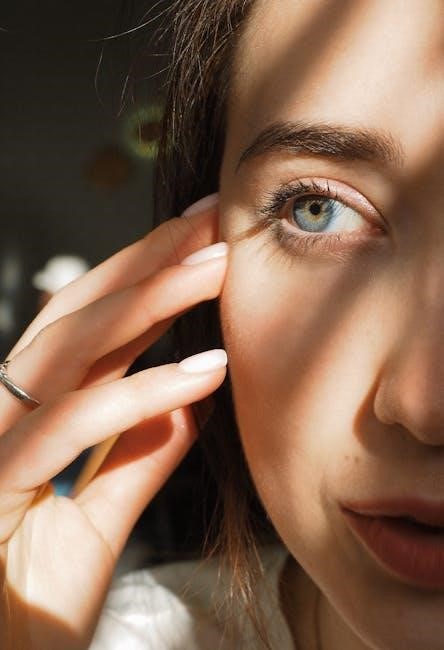
Creating Depth with Monolid Eyes
Achieving depth on a monolid requires strategic eyeshadow placement and blending. Begin by applying a transition shade – a light to medium neutral tone – in the crease where a natural fold would be. This establishes a foundational shadow. Next, concentrate a slightly darker shade closer to the lash line, building intensity outwards.
Blending is crucial; use a fluffy brush to seamlessly merge the colors, avoiding harsh lines. Consider a subtle shimmer shade on the center of the lid to catch the light and further enhance dimension. A thin, precise eyeliner wing extending slightly upwards can lift and define the eye shape, creating a captivating look.
Upturned Eyes: A Lifted Appearance
Upturned eyes naturally possess a lifted, bright quality due to the outer corner angling upwards. This shape is considered quite versatile, lending itself well to a variety of makeup styles. To enhance this natural lift, focus on extending eyeshadow and eyeliner upwards and outwards, following the eye’s natural angle.
A winged eyeliner look is particularly flattering, amplifying the lifted effect. Avoid heavy eyeshadow on the inner corner, as this can weigh down the eye. Instead, highlight the brow bone and inner corner with a light shimmer to open up the eyes further and maintain their inherent brightness.
Enhancing Upturned Eyes with Makeup
To truly accentuate upturned eyes, embrace techniques that elongate and lift. Begin with a neutral eyeshadow base, then apply a medium shade to the lid, blending upwards towards the crease. A darker shade in the outer corner, blended into a wing shape, will amplify the natural lift.
Eyeliner should follow the upward angle of the eye, creating a subtle wing. Mascara focused on the outer lashes further enhances the lifted effect. Avoid overly thick or dark eyeshadow on the inner corner, opting instead for a brightening highlight. This keeps the eyes looking open and vibrant, maximizing their natural appeal.
Downturned Eyes: A Drooping Effect
Downturned eyes often give the impression of a slightly sad or tired appearance, but makeup can easily counteract this. The goal is to lift and open the eye, creating a more awake and youthful look. Start with a brightening eyeshadow primer to create a smooth base. Apply a light, shimmering shade to the inner corner and brow bone to instantly lift;
Focus medium-toned eyeshadows towards the outer third of the lid, blending upwards and outwards. Eyeliner is crucial; a thin line that slightly flicks up at the outer corner is ideal. Avoid heavy, dark liner on the lower lash line, as this can drag the eye down further. Mascara should be generously applied to the outer lashes.
Lifting Downturned Eyes with Makeup
To visually lift downturned eyes, focus on creating an upward sweep with your makeup application. Begin with a neutral eyeshadow base and apply a medium shade across the lid, blending it upwards towards the brow bone. A lighter highlight shade in the inner corner brightens and opens the eye. The key is eyeliner – instead of following the natural downward slant, extend the liner slightly upwards at a 45-degree angle.
This creates the illusion of a lift. Avoid lining the entire lower lash line; instead, smudge a dark eyeshadow along the outer third. Finish with volumizing mascara, concentrating application on the outer lashes to further enhance the lifting effect. Brow shaping also plays a role; a defined arch can contribute to a lifted appearance.
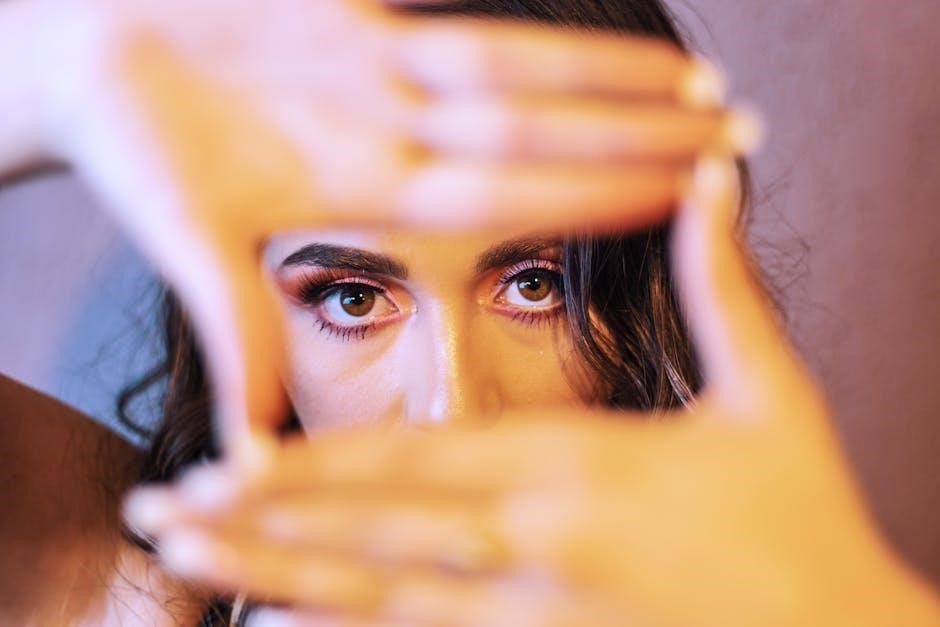
Less Common, But Important Eye Shapes
While less frequently discussed, variations like close-set, wide-set, deep-set, and protruding eyes deserve attention for tailored makeup techniques and balanced looks.
Close-Set Eyes: Eyes Closer Together
Individuals with close-set eyes have a smaller distance between the inner corners of their eyes. The goal with makeup isn’t to drastically alter the eye shape, but to create the illusion of greater space and balance. Strategic highlighting and shading are crucial techniques. Applying a lighter eyeshadow shade to the inner corners of the eyes immediately brightens and visually widens the area.
Conversely, a slightly darker shade blended along the outer corners adds depth. Avoid heavy, dark eyeshadows across the entire lid, as this can make the eyes appear even closer together; Focus eyeliner application primarily on the outer two-thirds of the upper lash line, extending slightly outwards to create a lifting and widening effect.
Creating the Illusion of Wider-Set Eyes
To visually widen close-set eyes with makeup, focus on techniques that draw attention outwards. Begin by applying a shimmering, light-colored eyeshadow – think champagne or a soft peach – to the inner corners of the eyes. This instantly brightens and creates the perception of more space. Extend this lighter shade about halfway across the lid.
Blend a slightly warmer, medium-toned shadow on the outer portion of the lid, ensuring a seamless transition. Eyeliner should start at the midpoint of the upper lash line and extend outwards, creating a subtle wing; Avoid lining the inner rim, as this can close off the eyes.
Wide-Set Eyes: Eyes Further Apart
Individuals with wide-set eyes have a noticeable distance between the inner corners. The goal with makeup is to balance this spacing, bringing the focus slightly inwards. Begin by applying a medium-toned eyeshadow across the entire lid, creating a cohesive base. Then, softly blend a slightly darker shade into the inner corners, subtly diminishing the space.
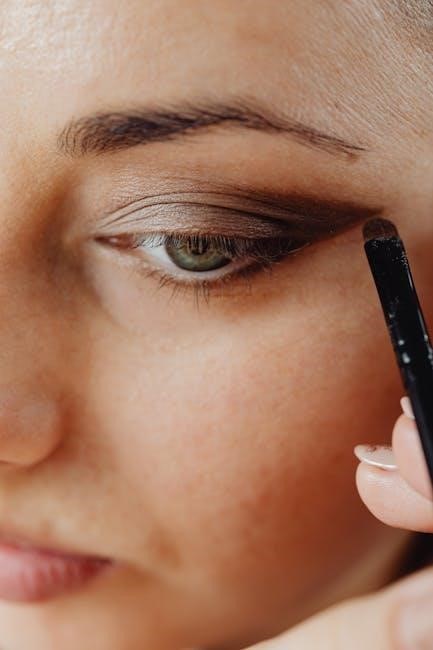
Eyeliner is crucial; start lining from the inner corner and carry the line across the entire lash line, thickening it slightly towards the outer corner. Lining the inner rim can also help visually narrow the eye. Mascara should be heavily applied to the inner lashes, further drawing attention inwards and creating balance.
Balancing Wide-Set Eyes with Makeup
To visually bring wide-set eyes closer together, focus on creating the illusion of reduced space. Begin with a soft, diffused eyeshadow application, concentrating slightly more color on the inner third of the lid. Avoid overly bright or highlighting shades in the inner corner, as this can exaggerate the width.
Eyeliner should start directly at the inner corner, gradually thickening as it moves outwards. A slightly winged liner, extending inwards rather than upwards, can also be effective. Don’t neglect the water line; lining it with a dark shade will minimize the space. Finally, emphasize the inner lashes with mascara to draw the eye inward and achieve a balanced look.
Deep-Set Eyes: Eyes Set Back in the Socket
Deep-set eyes, nestled within a prominent brow bone, require techniques to bring them forward and appear more open. The key is to create the illusion of depth and lift. Begin with a light, shimmering eyeshadow across the entire lid, extending it slightly beyond the crease. This helps to push the eyes forward.
Avoid dark shades in the crease, as they can recede the eye further. Instead, use a medium-toned shade blended upwards and outwards. Highlight the brow bone to lift the area. Eyeliner should be thin and applied close to the lash line, avoiding heavy lines that can make the eyes appear smaller.
Bringing Deep-Set Eyes Forward with Makeup
To optically “bring forward” deep-set eyes, focus on brightening and lifting. Start with an illuminating primer to create a base for eyeshadow. Apply a light, matte shade all over the lid, extending it towards the brow bone. Use a slightly darker, neutral tone in the outer corner, blending well to avoid harsh lines.
Highlight the inner corner of the eye to instantly brighten. A thin line of eyeliner, smudged softly, defines the eyes without making them appear smaller. Curl lashes and apply mascara generously, focusing on the outer lashes to lift the eye. Avoid dark, heavy eyeshadows that can further recess the eyes.
Protruding Eyes: Eyes That Appear Bulging
For protruding eyes, the goal is to visually recede the eye area and create depth. Avoid overly bright or shimmery eyeshadows across the entire lid, as they can accentuate the bulge. Instead, opt for matte shades in neutral or cool tones. Concentrate darker shades in the crease to create a subtle contour, blending outwards and upwards.
Line the upper lash line with a dark eyeliner, keeping the line thin and close to the lashes. Avoid lining the lower waterline, as this can make eyes appear more prominent. Mascara should be applied to the outer lashes only, avoiding the inner corner. This helps balance the eye shape and minimize the protruding effect.
Minimizing Protruding Eyes with Makeup
Strategic makeup application can effectively minimize the appearance of protruding eyes. Begin with a neutral eyeshadow base to even out skin tone. Apply a matte medium-toned shade across the lid, extending slightly beyond the crease. Blend a darker matte shade into the outer corner and crease, creating a subtle, rounded shape – avoid sharp angles.
A soft, smudged eyeliner along the upper lash line is ideal; avoid harsh lines. Skip eyeliner on the lower waterline entirely. Focus mascara application on the outer lashes, fanning outwards to create a widening effect without emphasizing the bulge. Well-defined, but not overly dramatic, brows also help frame the eyes and balance the overall look.

Tools and Techniques for Identifying & Enhancing Eye Shape
Mastering eye shape identification and enhancement relies on understanding how eyeliner, eyeshadow, mascara, and brow shaping interact with individual eye forms.
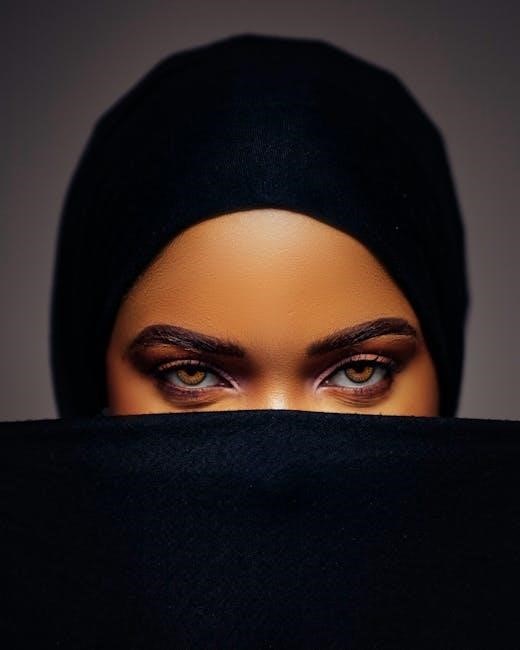
How to Determine Your Eye Shape
Determining your eye shape involves careful observation of several key characteristics. Begin by looking straight ahead into a mirror, paying attention to the overall outline of your eyes. Consider the crease – is it visible, hooded, or absent?
Next, assess the tilt of your eyes. Do they angle upwards, downwards, or remain relatively level? Observe the space between your eyes; are they closely set or widely spaced? Finally, note whether your eyes appear deep-set or protruding.
Tracing the shape of your eye onto a mirror with a cosmetic pencil can also be incredibly helpful. Comparing your observations to images of different eye shapes will solidify your understanding and guide your makeup choices.
The Role of Eyeliner in Different Eye Shapes
Eyeliner’s impact dramatically shifts based on eye shape. For almond eyes, almost any style works, from subtle definition to winged liner. Round eyes benefit from lengthening eyeliner applied along the upper lash line, avoiding excessive thickness.
Hooded eyes require careful placement; a thin line, thicker at the outer corner, prevents disappearing liner. Monolid eyes gain depth from gradually building thickness towards the outer corner. Upturned eyes can enhance their lift with a winged liner, while downturned eyes benefit from lifting flicks.
Ultimately, it all comes down to understanding how to work with your eye shape, not against it, to achieve the most flattering results.
Eye Shadow Placement Based on Eye Shape
Strategic eyeshadow placement is crucial for enhancing each eye shape. Almond eyes can experiment with various techniques, from smoky eyes to cut creases. Round eyes benefit from darker shades in the outer corner and lighter shades on the lid, creating depth.
For hooded eyes, applying shadow above the crease when the eye is open is essential. Monolid eyes gain definition from a gradient effect, with darker shades closest to the lash line. Upturned eyes look stunning with a lifted eyeshadow application, while downturned eyes benefit from brightening the inner corner.
Eyes are diverse, and each deserves a tailored approach.
Using Mascara to Complement Your Eye Shape
Mascara application can dramatically alter the appearance of your eyes, enhancing their natural shape. For almond eyes, a balanced approach works well – focus on both upper and lower lashes. Round eyes benefit from emphasizing the upper lashes to elongate the eye shape, avoiding heavy coating on the lower lashes.
Hooded eyes gain lift from a concentrated application on outer upper lashes. Monolid eyes can create the illusion of a crease with a thicker lash line. Upturned eyes look even more lifted with a focus on outer lashes, while downturned eyes benefit from curling and volumizing.
Ultimately, mascara is a versatile tool.
Brow Shaping to Enhance Eye Shape
Well-shaped eyebrows frame the eyes and can significantly impact their perceived shape. For almond eyes, a soft arch complements their natural balance. Round eyes benefit from a higher arch to create lift and definition, counteracting roundness. Hooded eyes often look best with a more defined, angled brow to open up the eye area.
Monolid eyes can gain definition from a slightly angled brow. Upturned eyes suit a softer, more natural brow shape, while downturned eyes benefit from a lifted arch to create a more youthful appearance. Consider professional brow shaping for optimal results.
Brows are crucial for balance.