

Article Plan: Anterior Hip Precautions Physical Therapy
This article details essential anterior hip precautions post-surgery‚ focusing on physical therapy protocols‚ potential complications‚ and a phased rehabilitation approach—a comprehensive PDF guide.
Anterior hip precautions are a cornerstone of successful recovery following specific hip surgeries‚ particularly those utilizing the anterior approach. Understanding these guidelines‚ often detailed in a physical therapy PDF protocol‚ is paramount for patients and clinicians alike. These precautions aim to minimize the risk of hip dislocation‚ a potential complication that can significantly impede rehabilitation.
This article provides a comprehensive overview of these precautions‚ outlining the “no-no” movements and detailing a phased approach to rehabilitation. We will explore the rationale behind each precaution‚ the duration of adherence‚ and strategies for safe progression. Accessing a detailed PDF resource from your physical therapist is highly recommended for personalized guidance and a clear understanding of your specific post-operative plan.
Understanding the Anterior Approach to Hip Surgery

The anterior approach to hip surgery‚ increasingly common‚ offers potential benefits like faster recovery and reduced muscle trauma. However‚ it necessitates strict adherence to anterior hip precautions‚ often outlined in a detailed physical therapy PDF. Unlike posterior approaches‚ the anterior route accesses the hip joint through muscles at the front of the hip‚ making it more susceptible to dislocation with certain movements.
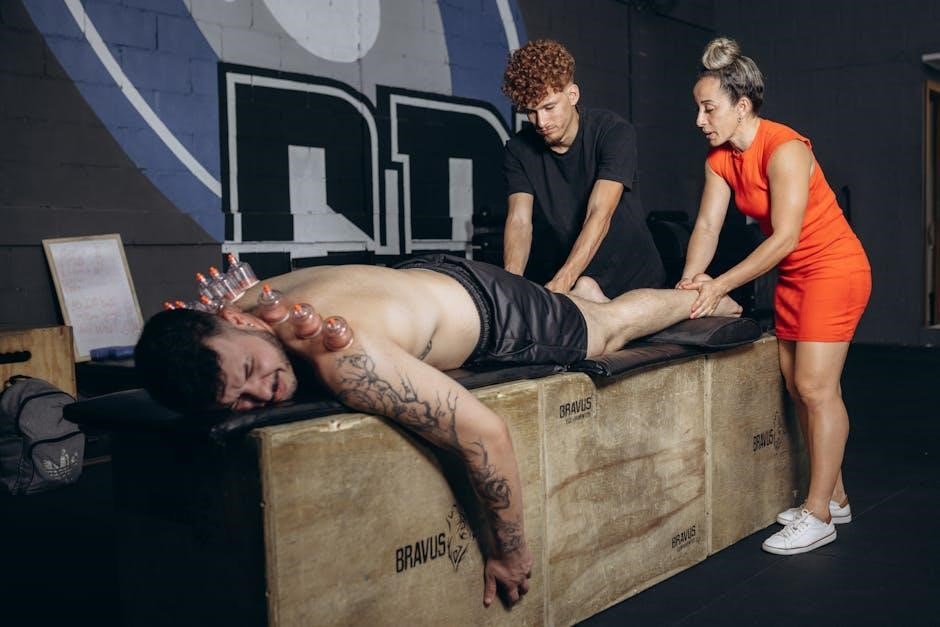
This approach minimizes disruption to the gluteal muscles‚ aiding in quicker gait restoration. However‚ the capsule’s anterior stability is compromised‚ demanding careful attention to hip flexion‚ extension‚ and rotation. A comprehensive PDF guide from your therapist will illustrate these movements and explain why specific positions must be avoided during the initial healing phase.
Why are Precautions Necessary?
Anterior hip precautions are crucial to prevent dislocation following surgery‚ particularly with the anterior approach. The surgical disruption of muscles and the capsule’s anterior stability create vulnerability. A physical therapy PDF will detail these risks‚ emphasizing the importance of avoiding movements that could compromise the newly repaired hip joint.
Dislocation can significantly delay recovery‚ potentially requiring further intervention. Precautions minimize this risk by limiting hip flexion beyond 90 degrees‚ preventing excessive extension‚ and controlling external rotation and adduction. Following these guidelines‚ often found in a post-operative PDF‚ protects the surgical repair and allows for optimal healing.
Common Surgeries Requiring Precautions
Anterior hip precautions are most commonly associated with hip arthroscopy and anterior hip replacement. A detailed physical therapy PDF will outline specific protocols for each procedure. Arthroscopy‚ while less invasive‚ still necessitates precautions to protect the labrum and cartilage repairs. Anterior hip replacement‚ due to its approach‚ carries a higher risk of anterior dislocation‚ demanding strict adherence to limitations.
Other procedures‚ depending on the extent of surgical disruption‚ may also require modified precautions. Your surgeon and physical therapy PDF will clearly define the necessary restrictions based on your individual case‚ ensuring a safe and effective recovery process.
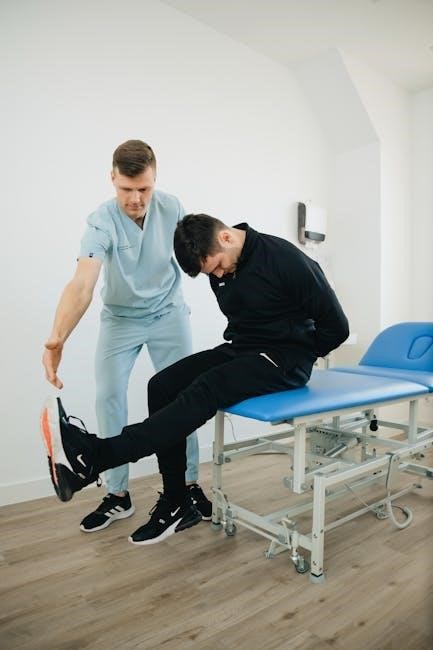
Hip Arthroscopy
Hip arthroscopy‚ a minimally invasive procedure‚ often requires anterior hip precautions for a limited duration‚ typically outlined in a post-operative physical therapy PDF. Precautions primarily focus on preventing excessive hip flexion‚ external rotation‚ and adduction‚ safeguarding the repaired labrum or cartilage.
The specific duration and stringency of these precautions vary based on the nature of the repair. A comprehensive PDF guide will detail the allowed range of motion and activities. Early rehabilitation emphasizes gentle range of motion exercises‚ like anterior pelvic tilts‚ progressing as healing allows‚ always guided by your therapist’s instructions.
Anterior Hip Replacement
Anterior hip replacement necessitates strict adherence to hip precautions‚ detailed in a post-operative physical therapy PDF‚ for approximately six weeks to minimize dislocation risk. These precautions include limitations on hip flexion beyond 90 degrees‚ avoiding hip extension‚ and preventing external rotation and adduction.

A detailed PDF protocol will outline safe movement patterns for daily activities‚ including bed mobility‚ transfers‚ and stair negotiation. Physical therapy focuses on strengthening hip abductors and extensors while respecting these limitations. Patient education and compliance‚ as outlined in the PDF‚ are crucial for a successful recovery.
Core Hip Precautions: The “No-No’s”
Core hip precautions‚ meticulously detailed in a physical therapy PDF‚ are paramount post-surgery. The primary “no-no’s” include avoiding hip flexion exceeding 90 degrees‚ as this increases dislocation risk. Hip extension is also restricted‚ alongside external rotation and adduction movements.
A comprehensive PDF guide will visually demonstrate these limitations. Patients must understand these restrictions apply during all activities – sitting‚ standing‚ and sleeping. Strict adherence‚ as emphasized in the PDF‚ protects the surgical repair and facilitates optimal healing. Ignoring these precautions can lead to complications requiring further intervention.
Hip Flexion Limitations
Hip flexion limitations‚ clearly outlined in the anterior hip precautions physical therapy PDF‚ are crucial for preventing dislocation. Generally‚ patients are advised to keep hip flexion under 90 degrees for a specified period‚ typically six weeks post-op. This restriction impacts daily activities like sitting‚ putting on shoes‚ and getting in/out of vehicles.
The PDF will illustrate modified techniques for these tasks. Avoiding excessive bending protects the newly operated hip joint. Physical therapists guide patients through safe movement patterns. Strict adherence to these flexion limits‚ as detailed in the PDF‚ is vital for a successful recovery and long-term hip health.
Avoiding Hip Extension
Avoiding hip extension is a cornerstone of anterior hip precautions‚ thoroughly detailed within the physical therapy PDF. Excessive extension places stress on the healing joint capsule‚ increasing dislocation risk. Patients must understand this limitation impacts movements like standing‚ walking‚ and even simple actions like leaning forward.
The PDF provides visual examples of safe and unsafe positions. Physical therapists emphasize maintaining a neutral hip position; Strict adherence to these guidelines‚ as outlined in the PDF‚ is paramount during the initial recovery phase. Careful attention to body mechanics‚ guided by the PDF’s instructions‚ ensures optimal healing and prevents complications.
Preventing Hip External Rotation
Preventing hip external rotation is critically addressed in the anterior hip precautions physical therapy PDF. This movement significantly elevates the risk of post-operative dislocation. The PDF emphasizes maintaining a slightly internally rotated position‚ avoiding any twisting or outward turning of the leg.
Patients learn to modify daily activities – like getting dressed or in/out of a car – to avoid this dangerous motion‚ as illustrated in the PDF. Therapists reinforce this through exercises and education. The PDF details specific cues and positioning techniques. Strict adherence‚ guided by the physical therapy PDF‚ is vital for successful healing and long-term hip stability.
Adduction Restrictions

Adduction restrictions‚ detailed within the anterior hip precautions physical therapy PDF‚ are crucial for maintaining hip joint integrity post-surgery. Crossing your legs or bringing your operative leg towards the midline must be strictly avoided. This movement can compromise the healing tissues and increase dislocation risk.
The PDF provides visual examples of restricted movements and safe alternatives for daily tasks. Therapists utilize specific exercises to strengthen muscles supporting hip stability‚ counteracting adduction forces. Patient education‚ as outlined in the PDF‚ emphasizes awareness of body positioning. Consistent adherence to these guidelines‚ guided by the physical therapy PDF‚ is paramount for optimal recovery.
Duration of Precautions
The duration of precautions following anterior hip surgery‚ comprehensively outlined in the anterior hip precautions physical therapy PDF‚ typically spans six weeks‚ though this can vary based on individual healing and surgical specifics. The PDF emphasizes that strict adherence is vital during the initial 0-2 week post-operative phase.
The physical therapy PDF details a gradual easing of restrictions between 2-6 weeks‚ guided by clinical assessment. While some limitations persist beyond six weeks‚ the PDF clarifies a transition towards functional movement patterns. Regular communication with your surgeon and therapist‚ referencing the PDF‚ ensures a safe and progressive return to activity.
Phase 1: Immediate Post-Operative Precautions (0-2 Weeks)
As detailed in the anterior hip precautions physical therapy PDF‚ the initial 0-2 week phase prioritizes protecting the surgical repair. PDF guidance stresses strict adherence to precautions. Bed mobility focuses on log-rolling to avoid hip rotation. Positioning avoids hip flexion beyond 90 degrees and external rotation.

Early transfers (bed to chair) are performed cautiously‚ maintaining precautions. The PDF highlights the importance of avoiding hip extension and adduction. Gentle exercises‚ as outlined in the PDF‚ may begin‚ but only under therapist supervision. Hematoma formation requires immediate protocol adjustment and physician contact‚ as noted in the PDF.
Bed Mobility & Positioning
The anterior hip precautions physical therapy PDF emphasizes log-rolling for safe bed mobility‚ preventing hip rotation. Patients should avoid crossing legs or bending the hip beyond 90 degrees. Positioning requires using pillows to maintain hip abduction and prevent adduction. The PDF details proper pillow placement for side-lying and supine positions.
Avoid hip extension during repositioning‚ a key point in the PDF. Frequent position changes are encouraged to prevent pressure sores‚ but always within precaution limits. The PDF stresses that independent movement should only occur after therapist instruction. Maintaining these precautions minimizes dislocation risk‚ as highlighted in the PDF.
Early Transfers (Bed to Chair)
The anterior hip precautions physical therapy PDF outlines a specific protocol for early transfers from bed to chair. Emphasis is placed on maintaining hip precautions throughout the process – no hip flexion beyond 90 degrees‚ extension‚ or external rotation. A stable surface and assistance are crucial‚ as detailed in the PDF.
The PDF recommends using a transfer board if needed‚ ensuring proper alignment. Patients should avoid twisting or pivoting on the surgical leg. The PDF stresses a slow‚ controlled movement‚ guided by the physical therapist. Prior to discharge‚ the PDF advises practicing safe transfer techniques repeatedly‚ ensuring patient confidence and independence.
Phase 2: Early Rehabilitation (2-6 Weeks)
The anterior hip precautions physical therapy PDF details Phase 2‚ spanning weeks 2-6 post-op‚ focusing on gentle restoration of movement while strictly adhering to precautions. The PDF introduces exercises like anterior pelvic tilts (performed in sitting)‚ supine knee-to-chest stretches‚ and the figure 4 stretch‚ beginning at specified timeframes.
The PDF emphasizes a gradual progression‚ monitoring for pain or signs of instability. It highlights the importance of maintaining hip precautions during all exercises. The PDF also notes that if a hematoma develops due to overuse‚ therapy should cease and the doctor contacted. Consistent adherence to the PDF’s guidelines is vital for safe recovery.
Gentle Range of Motion Exercises
The anterior hip precautions physical therapy PDF outlines a carefully sequenced approach to gentle range of motion (ROM) exercises‚ initiated during the early rehabilitation phase (2-6 weeks). The PDF stresses that all movements must be performed within the established hip precautions – no extension‚ external rotation‚ or adduction.
The PDF details specific exercises‚ emphasizing controlled motions and pain monitoring. These exercises aim to prevent stiffness and begin restoring hip mobility. The PDF also warns against pushing beyond comfortable limits‚ and highlights the need for consistent communication with the physical therapist regarding any discomfort. Adherence to the PDF’s guidance is crucial for preventing complications.
Anterior Pelvic Tilts
The anterior hip precautions physical therapy PDF introduces anterior pelvic tilts as a foundational exercise‚ typically beginning around two weeks post-op. This exercise‚ detailed within the PDF‚ aims to gently mobilize the lumbar spine and pelvis‚ promoting core engagement without stressing the healing hip joint. The PDF emphasizes performing these tilts while seated‚ ensuring adherence to all hip precautions.
The PDF instructs patients to focus on a controlled rocking motion of the pelvis‚ avoiding any hip flexion beyond 90 degrees. Proper form‚ as illustrated in the PDF‚ is vital. The PDF also cautions against overdoing the exercise‚ recommending starting with a small range of motion and gradually increasing it as tolerated.
Supine Knee to Chest Stretch
The anterior hip precautions physical therapy PDF details the supine knee-to-chest stretch‚ typically initiated around two weeks post-operation. This gentle stretch‚ outlined in the PDF‚ aims to improve hip mobility and reduce stiffness‚ while respecting crucial precautions. The PDF stresses maintaining a neutral pelvic position throughout the exercise‚ avoiding any hip external rotation or adduction.
The PDF instructs patients to slowly draw one knee towards their chest‚ holding the stretch for a comfortable duration. It emphasizes avoiding any pain and adhering strictly to the hip flexion limitations detailed within the PDF. The PDF also suggests performing this stretch bilaterally‚ ensuring symmetrical hip movement and preventing imbalances.
Figure 4 Stretch
The anterior hip precautions physical therapy PDF introduces the Figure 4 stretch‚ generally beginning around three weeks post-op‚ as a progression from earlier mobility exercises. This stretch‚ detailed in the PDF‚ targets the hip joint and surrounding musculature‚ enhancing flexibility. The PDF emphasizes performing this stretch supine‚ carefully crossing the affected leg over the opposite knee‚ forming a “4” shape.

The PDF clearly instructs patients to gently pull the unaffected thigh towards the chest‚ maintaining a neutral spine and avoiding hip external rotation. It stresses listening to the body and stopping if any pain arises. The PDF also highlights the importance of controlled movements and adherence to all previously established hip precautions throughout the exercise.
Recognizing and Managing Complications
The anterior hip precautions physical therapy PDF dedicates a section to potential complications and their management. A key concern is hematoma formation‚ often occurring within the first one to two weeks due to overuse. The PDF instructs immediate cessation of all therapy and home exercises‚ alongside contacting the physician if a large hematoma develops.
Furthermore‚ the PDF details signs of potential hip instability‚ emphasizing the need for prompt medical attention. It stresses recognizing increasing pain‚ clicking‚ or a sensation of the hip giving way. The PDF reinforces that early identification and intervention are crucial for successful recovery and preventing dislocation‚ aligning with the overall precautions.
Hematoma Formation & Protocol Adjustment
The anterior hip precautions physical therapy PDF specifically addresses hematoma formation as a potential post-operative complication. It highlights that hematomas frequently appear within the initial 1-2 weeks‚ often resulting from exceeding activity levels or improper adherence to precautions. The PDF clearly instructs patients to immediately halt all therapeutic exercises and home programs if a substantial hematoma develops.
Protocol adjustment is paramount; the PDF emphasizes contacting the surgeon promptly. This allows for assessment and modification of the rehabilitation plan to accommodate the hematoma. Continued activity could exacerbate the issue and potentially compromise surgical outcomes‚ as detailed within the PDF’s guidelines.
Signs of Instability & When to Contact a Doctor
The anterior hip precautions physical therapy PDF outlines critical signs of potential hip instability requiring immediate medical attention. These include sudden‚ sharp pain in the hip or groin‚ a sensation of the hip “giving way‚” or an inability to bear weight comfortably. Any audible clicking or popping sound accompanied by pain is also a red flag‚ as detailed in the PDF.
The PDF stresses that patients should not hesitate to contact their doctor if they experience any of these symptoms. Prompt evaluation is crucial to rule out dislocation or other complications. Delaying medical intervention could lead to prolonged discomfort and potentially necessitate further surgical procedures‚ as cautioned within the PDF’s safety guidelines.
Advanced Rehabilitation (6+ Weeks)
The anterior hip precautions physical therapy PDF details the transition to advanced rehabilitation beyond six weeks post-op. This phase focuses on restoring full hip function and strength‚ gradually increasing activity levels. Expect progressive exercises targeting hip abductors‚ extensors‚ and rotators‚ building endurance and proprioception‚ as outlined in the PDF.
The PDF emphasizes a return to functional movements‚ simulating daily activities. This includes controlled squats‚ lunges‚ and step-ups. While precautions are lessened‚ continued awareness of hip positioning remains vital. The PDF also introduces potential integration of low-impact cardio‚ preparing the patient for a return to more demanding activities‚ always guided by therapist assessment.
Return to Functional Activities
The anterior hip precautions physical therapy PDF guides a gradual return to everyday tasks. This phase prioritizes regaining independence in activities like walking‚ stair climbing‚ and transfers. The PDF stresses proper body mechanics to protect the healing hip joint‚ emphasizing controlled movements and avoiding provocative positions.
Specific exercises detailed in the PDF focus on simulating functional movements – getting in/out of cars‚ rising from chairs‚ and navigating uneven surfaces. The PDF highlights the importance of adapting activities to minimize stress on the hip‚ potentially using assistive devices initially. A successful return hinges on adhering to the PDF’s recommendations and listening to your body.
Precautions Regarding Exercise Equipment
The anterior hip precautions physical therapy PDF strongly advises against using exercise equipment – including whirlpools and spas – until explicitly cleared by your surgeon. This restriction is crucial to prevent dislocation and protect the surgical repair. The PDF details how certain machine movements can easily violate hip precautions‚ particularly regarding flexion‚ extension‚ and rotation.
Prematurely engaging with equipment like stationary bikes‚ elliptical trainers‚ or weight machines poses a significant risk. The PDF emphasizes that a tailored rehabilitation program‚ guided by a physical therapist‚ is essential before considering a return to these activities. Strict adherence to the PDF’s guidelines ensures a safe and effective recovery.
Stair Negotiation Techniques
The anterior hip precautions physical therapy PDF highlights the importance of safe stair climbing. Initially‚ avoid stairs if possible. When necessary‚ lead with the unoperated leg going up stairs‚ and the operated leg going down stairs. This minimizes hip flexion and rotation. The PDF stresses using a handrail for support and maintaining a slow‚ controlled pace.
Your physical therapist‚ as detailed in the PDF‚ will work with you before discharge to practice these techniques. They’ll assess your strength and range of motion to ensure you can navigate stairs safely without violating precautions. The PDF also cautions against attempting stairs until adequate strength and balance are regained.
Importance of Physical Therapy
The anterior hip precautions physical therapy PDF unequivocally emphasizes the critical role of physical therapy in a successful recovery. Early intervention‚ guided by a qualified therapist‚ optimizes healing and minimizes complications. The PDF details how physical therapy focuses on restoring strength‚ range of motion‚ and functional mobility while strictly adhering to hip precautions.
Consistent participation in a prescribed program‚ as outlined in the PDF‚ is vital for preventing stiffness and regaining independence. The PDF also highlights the therapist’s role in educating patients on proper body mechanics and safe exercise techniques‚ ensuring long-term hip health and preventing re-injury.
Role of the Physical Therapist

The anterior hip precautions physical therapy PDF clearly defines the physical therapist’s multifaceted role. They are responsible for comprehensive evaluations‚ individualized treatment planning‚ and diligent monitoring of patient progress. The PDF stresses the therapist’s expertise in interpreting surgical protocols and adapting exercises to each patient’s unique needs‚ always prioritizing adherence to precautions.
Furthermore‚ the PDF details the therapist’s crucial role in patient education‚ ensuring a thorough understanding of hip precautions‚ potential complications‚ and proper home exercise programs. They provide guidance on safe stair negotiation and activity modification‚ empowering patients for a successful return to function.
Patient Education & Compliance
The anterior hip precautions physical therapy PDF emphasizes that robust patient education is paramount for successful recovery. Patients must fully grasp the “no-no’s” – hip flexion‚ extension‚ external rotation‚ and adduction – and understand why these precautions exist to prevent dislocation. The PDF highlights the importance of clear‚ concise explanations and repeated instruction.
Compliance hinges on patient understanding and motivation. The PDF suggests therapists utilize visual aids and demonstrate exercises meticulously. It also stresses the need to address patient concerns and tailor education to their learning style. Consistent reinforcement and open communication are key to fostering adherence to the protocol.
Modifications for Individual Cases
The anterior hip precautions physical therapy PDF acknowledges that a one-size-fits-all approach isn’t effective. Modifications are frequently needed based on patient-specific factors like pre-existing conditions‚ surgical technique variations‚ and individual healing rates. Some surgeries may necessitate additional precautions beyond the standard limitations.
The PDF stresses collaboration between the surgeon and physical therapist to determine appropriate adjustments. For example‚ patients with cardiac considerations (detailed elsewhere) require a modified exercise intensity. Hematoma formation‚ as outlined in complication management‚ necessitates temporary protocol cessation. The PDF emphasizes careful monitoring and adaptation.
Hip Precautions and Cardiac Considerations
The anterior hip precautions physical therapy PDF highlights crucial interplay between orthopedic recovery and pre-existing cardiac conditions. Patients with heart failure or arrhythmias require a carefully modulated rehabilitation program. Standard hip precautions – flexion‚ extension‚ rotation‚ and adduction limits – must be implemented alongside cardiac monitoring.
The PDF advises against overexertion‚ emphasizing gradual progression of exercises. Activities like stair negotiation and transfers should be performed with controlled movements to avoid sudden increases in heart rate. Collaboration with a cardiologist is essential to tailor the PDF’s protocols‚ ensuring patient safety and optimizing recovery.
The Evolving Landscape of Hip Precautions

The anterior hip precautions physical therapy PDF reflects a dynamic shift in post-operative care. Historically rigid protocols are now being refined based on surgical technique advancements and improved understanding of hip biomechanics. Newer approaches‚ like direct anterior‚ often allow for fewer restrictions‚ though vigilance remains paramount.
Current PDF versions emphasize individualized protocols‚ considering factors like patient anatomy‚ surgical repair stability‚ and surgeon preference. Research continually challenges traditional limitations‚ prompting a move towards functional movement patterns earlier in rehabilitation. The PDF stresses ongoing education for therapists to stay abreast of these evolving guidelines.
Resources for Patients and Therapists (PDFs & Protocols)
Numerous anterior hip precautions physical therapy PDF resources are available online from reputable orthopedic institutions and professional organizations. These PDFs typically detail specific protocols‚ outlining prohibited movements and progressive exercise programs. Accessing these materials empowers both patients and therapists with clear guidelines.
Many hospitals provide discharge PDF packets containing tailored instructions. Online databases‚ like those from the American Academy of Orthopaedic Surgeons‚ offer standardized protocols. Searching for “hip arthroscopy protocol PDF” or “anterior hip replacement precautions PDF” yields relevant documents. Always verify the source and date of the PDF to ensure current best practices are followed.
Long-Term Hip Health & Maintenance
Maintaining long-term hip health post-rehabilitation involves consistent adherence to a home exercise program‚ often detailed in a post-operative anterior hip precautions physical therapy PDF. This includes strengthening exercises for surrounding muscles – glutes‚ core‚ and quads – to provide ongoing support and stability.
Regular‚ low-impact activities like walking‚ swimming‚ or cycling are beneficial. Avoiding prolonged sitting and maintaining a healthy weight are crucial. Reviewing the original surgical PDF periodically can reinforce proper movement patterns. Continued awareness of hip precautions‚ even after formal therapy ends‚ helps prevent future issues and ensures lasting joint health.
Successful Recovery with Adherence to Precautions
Successful recovery following anterior hip surgery hinges on diligent adherence to prescribed precautions‚ often outlined in a detailed anterior hip precautions physical therapy PDF. Understanding and respecting these limitations – avoiding hip flexion‚ extension‚ external rotation‚ and adduction – minimizes dislocation risk and promotes optimal healing.
Consistent engagement with a physical therapy program‚ guided by the PDF’s recommendations‚ is paramount. Patient education and proactive communication with the surgical team are vital. Long-term hip health relies on continued exercise and mindful movement‚ ensuring a return to functional activities and a sustained‚ pain-free lifestyle.
Always follow the specific instructions provided by your orthopedic surgeon and physical therapist. This information should not be used to self-diagnose or treat any medical condition. Consult with your healthcare provider before starting any new exercise program or making any changes to your treatment plan. Reliance on this article is at your own risk.