

Hospital TV Channel Guide: Enhancing Patient Experience
Modern hospital television services are evolving‚ offering more than just distraction; they’re crucial for well-being‚ especially amidst global healthcare challenges and conflicts impacting facilities.
Hospital television has transitioned from a simple amenity to an integral component of patient care. Initially offering limited basic channels‚ these systems now provide a diverse range of programming designed to enhance the overall hospital experience. Today‚ December 31st‚ 2025‚ systems are adapting to global events‚ like the crisis in Gaza‚ where healthcare infrastructure is severely strained.
The evolution reflects a growing understanding of the psychological benefits of entertainment during illness. Modern systems prioritize accessibility‚ offering features like closed captioning and language options‚ alongside crucial hospital information and interactive services. These advancements aim to improve patient comfort and support recovery.
The Importance of Patient Entertainment
Patient entertainment‚ particularly through hospital television‚ plays a vital role in mitigating the anxieties and stresses associated with hospitalization. Distraction from pain and discomfort is a key benefit‚ fostering a more positive mindset conducive to healing. Considering current global conflicts‚ like those impacting Gaza’s healthcare‚ providing a sense of normalcy is even more critical.
Furthermore‚ entertainment can reduce feelings of isolation and boredom during extended stays. Addressing hygiene concerns – minimizing glove use and promoting hand hygiene – also contributes to a safer‚ more comfortable environment. Ultimately‚ a well-designed TV service enhances the overall patient experience.

Channel Categories Commonly Found in Hospitals
Typical hospital TV offerings include news‚ movies‚ children’s programs‚ lifestyle content‚ and music‚ aiming to cater to diverse patient preferences and needs for distraction.
News and Information Channels
Access to current events is a staple of hospital television‚ providing patients with a connection to the outside world during their stay. These channels often feature national and international news broadcasts‚ offering updates on global affairs‚ including critical situations like the ongoing conflicts impacting healthcare facilities‚ such as those in Gaza.
The World Health Organization (WHO) frequently reports on these issues‚ and news channels relay vital information regarding healthcare system strains and condemnations of attacks on hospitals. Staying informed can reduce anxiety for patients and their families‚ though content appropriateness remains a key consideration for hospital administrators.
Movie Channels
A cornerstone of patient entertainment‚ movie channels offer a welcome escape from the stresses of hospitalization. Providing a diverse selection of films – from recent releases to classic favorites – can significantly contribute to a more positive patient experience. This distraction is particularly valuable given the anxieties surrounding healthcare‚ exacerbated by global events and strains on facilities.
Careful curation is essential‚ ensuring content is appropriate for a diverse patient population and aligns with ethical considerations regarding sensitive themes. Offering a range of genres caters to individual preferences‚ aiding in reducing stress and discomfort during recovery.
Children’s Programming
Dedicated children’s channels are vital within a hospital TV system‚ recognizing the unique needs of young patients. Providing age-appropriate‚ engaging content – cartoons‚ educational shows‚ and family-friendly movies – helps minimize anxiety and fear associated with medical environments. This is especially crucial considering the potential trauma experienced during times of conflict impacting healthcare access‚ like in Gaza.
Content should be carefully vetted for suitability‚ promoting positive messages and avoiding potentially upsetting themes. A cheerful and diverting selection can significantly improve a child’s hospital stay and support their emotional well-being.
Lifestyle and Entertainment Channels
Lifestyle and entertainment channels offer a welcome escape for patients of all ages‚ providing a sense of normalcy during a hospital stay; These channels can include cooking shows‚ home improvement programs‚ travel documentaries‚ and lighthearted comedies. Such content serves as a positive distraction from discomfort and anxiety‚ contributing to a more relaxed atmosphere.
Given current global events impacting healthcare‚ like the strain on facilities due to conflict‚ providing these diversions is more important than ever. They offer a momentary respite from challenging circumstances and promote mental well-being.
Music Channels
Music channels are a cornerstone of patient entertainment‚ offering a diverse range of genres to suit individual preferences. From classical and jazz to pop and country‚ music provides a soothing and therapeutic experience. It can help reduce stress‚ alleviate pain perception‚ and promote relaxation – vital components of patient recovery.
Considering the heightened stress within healthcare systems globally‚ including those impacted by conflict like Gaza‚ music’s calming effect is particularly valuable. It offers a non-invasive method to improve the overall hospital environment and patient mood.
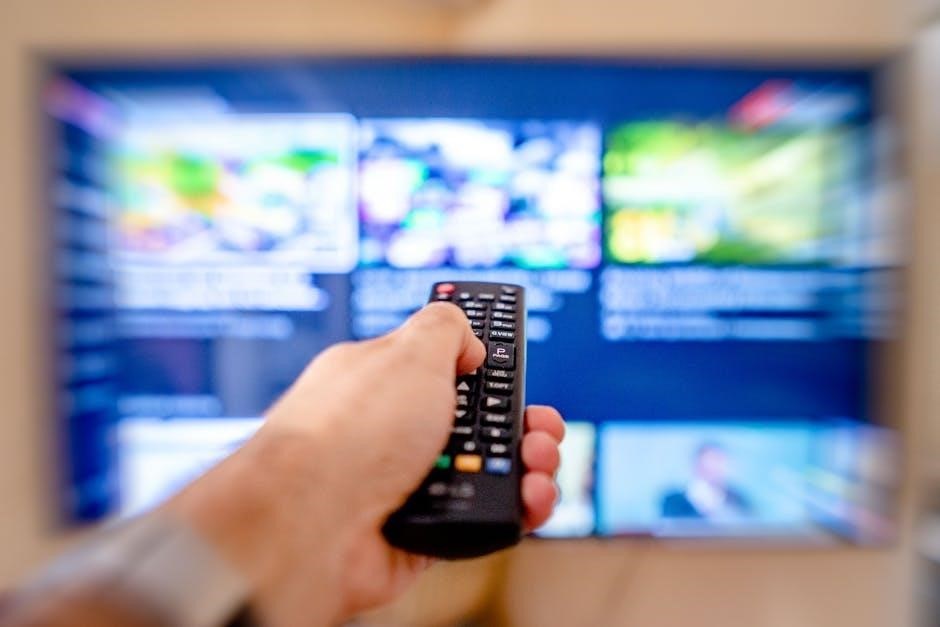
Interactive Hospital TV Features
Modern systems now integrate on-demand entertainment‚ hospital information‚ and even meal ordering‚ enhancing patient control and streamlining essential services within their stay.
On-Demand Entertainment
The availability of on-demand entertainment is transforming the hospital experience. Patients now expect a diverse selection of movies‚ TV shows‚ and potentially even streaming services accessible directly through their room’s television. This feature provides a significant level of control and personalization‚ allowing individuals to choose content that suits their preferences and mood.
This is particularly valuable for longer stays‚ reducing boredom and offering a welcome distraction from discomfort or anxiety. Furthermore‚ on-demand systems can be updated frequently‚ ensuring a fresh and engaging content library. The integration of these services demonstrates a commitment to patient-centered care and improved overall well-being during hospitalization.
Hospital Information Channels
Dedicated hospital information channels are a vital component of modern in-room television systems. These channels deliver crucial updates regarding hospital services‚ visiting hours‚ cafeteria menus‚ and upcoming events. They also frequently feature wellness programs and educational content related to patient care and recovery.
In times of crisis‚ like the current challenges facing healthcare facilities globally‚ these channels become even more important for disseminating accurate and timely information. They can also provide details on infection control protocols‚ reinforcing hygiene practices and minimizing healthcare-associated risks‚ contributing to a safer environment for all.
Meal Ordering Systems
Integrated meal ordering via hospital TV is transforming the patient dining experience. Patients can browse menus‚ select meals tailored to dietary needs‚ and submit orders directly through their television screen‚ enhancing convenience and control. This system reduces reliance on staff for routine requests‚ freeing them for critical care duties.
Furthermore‚ streamlined meal ordering contributes to reduced healthcare waste. Accurate ordering minimizes food spoilage‚ aligning with efforts to optimize resource utilization and promote sustainable practices within hospital environments‚ especially crucial given increasing waste generation.
Patient Education Resources
Hospital TV channels now frequently offer dedicated patient education resources. These channels deliver vital information about conditions‚ treatments‚ and post-discharge care‚ empowering patients to actively participate in their recovery. Access to reliable health information reduces anxiety and improves adherence to medical advice.
Given current global healthcare strains and conflicts impacting facilities‚ clear communication is paramount. Educational content supports understanding‚ especially where access to direct physician interaction is limited‚ promoting informed decision-making and better health outcomes for all patients.
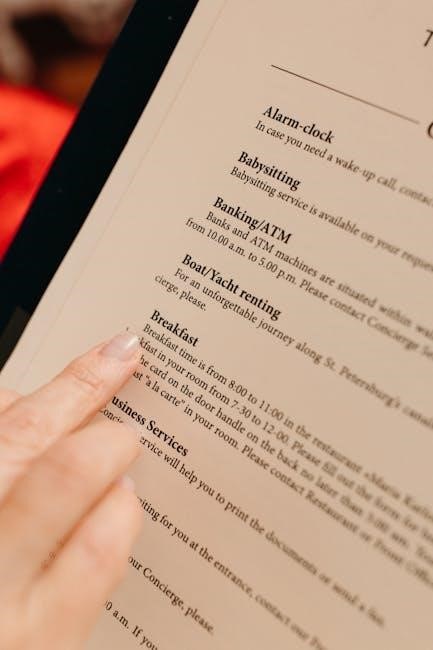
Accessibility and Customization Options
Modern systems prioritize inclusivity‚ offering closed captioning‚ audio descriptions‚ and language choices to cater to diverse patient needs and preferences effectively.
Closed Captioning and Audio Description
Providing accessible viewing experiences is paramount. Closed captioning ensures patients with hearing impairments can fully engage with programming‚ understanding dialogue and crucial sound effects. Equally important is audio description‚ narrating visual elements for individuals with visual impairments‚ painting a picture of on-screen action.
These features aren’t merely accommodations; they’re integral to equitable healthcare. Hospitals are increasingly recognizing the necessity of these options‚ fostering inclusivity and enhancing the overall patient experience. Proper implementation requires consistent captioning quality and readily available audio description tracks across a diverse channel selection.
Language Options
Catering to a diverse patient population necessitates multilingual television services. Offering channels and on-demand content in multiple languages significantly improves comprehension and reduces patient anxiety. This is particularly crucial in areas with large immigrant communities or hospitals serving international visitors.
Beyond simply providing foreign-language channels‚ hospitals should consider offering translated hospital information and educational resources via the TV system. Ensuring clear communication‚ regardless of a patient’s primary language‚ contributes to a more comfortable and effective healthcare journey‚ promoting dignity and respect.
Volume Control and Personalization
Patient comfort is paramount‚ and granular volume control is essential. Hospitals should ensure each bedside TV allows independent adjustment‚ minimizing disturbance to roommates. Beyond volume‚ personalization features – like customizable channel lists and the ability to save preferences – enhance the viewing experience.
These seemingly small details contribute significantly to a patient’s sense of control during a vulnerable time. Allowing patients to tailor their entertainment fosters a more positive hospital stay‚ reducing stress and promoting a feeling of agency within a restrictive environment.

Hospital TV and Infection Control
Maintaining hygiene is critical; frequent disinfection of remote controls and minimizing unnecessary glove use during TV interaction are vital for reducing healthcare-associated infections.
Hygiene Protocols for Remote Controls
Remote controls represent a high-touch surface‚ potentially harboring and transmitting pathogens within the hospital environment. Robust hygiene protocols are therefore essential to minimize the risk of healthcare-associated infections (HAIs). Frequent and thorough disinfection‚ utilizing approved cleaning agents‚ should be implemented after each patient use‚ or at least on a shift basis.
Hospitals should establish clear guidelines for staff regarding proper cleaning procedures‚ emphasizing complete coverage of the remote’s surface. Consideration should also be given to utilizing remote controls with antimicrobial surfaces or exploring alternative control methods‚ like voice activation‚ to further reduce contamination risks and bolster infection prevention efforts.
Reducing Healthcare Waste (Glove Usage & TV Interaction)
Excessive glove use significantly contributes to the growing volume of healthcare waste‚ impacting environmental sustainability and increasing disposal costs. While essential for certain procedures‚ unnecessary glove use‚ even when interacting with items like television remote controls‚ exacerbates this problem.
Promoting appropriate glove utilization alongside diligent hand hygiene practices can substantially minimize waste. An average university hospital generates substantial tonnage annually‚ a figure that’s increasing. Encouraging staff to assess the necessity of gloves before each interaction‚ including TV operation‚ is a crucial step towards responsible resource management and a greener healthcare system.

Data Collection and Hospital Funding (Australia)
Australia’s hospital funding relies on data like the Hospital Casemix Protocol (HCP)‚ detailing financial and clinical information provided by hospitals to insurers.
Hospital Casemix Protocol (HCP) Data
The Hospital Casemix Protocol (HCP) data specifications are vital for equitable hospital funding in Australia‚ becoming effective July 1st‚ 2025. This protocol mandates hospitals to deliver comprehensive financial‚ clinical‚ and demographic data to private health insurers.
Insurers‚ in turn‚ submit this data to governing bodies‚ ensuring transparency and fairness in resource allocation. While seemingly unrelated to hospital television‚ understanding funding models highlights where investments – potentially including patient entertainment systems – are prioritized. Accurate HCP data supports informed policy decisions‚ ultimately impacting the quality of care‚ and potentially‚ patient experience enhancements like advanced TV services.

Ethical Considerations and Patient Privacy
Protecting patient information is paramount; content appropriateness and data security within hospital TV systems must adhere to strict ethical guidelines and privacy regulations.
Protecting Patient Information
Maintaining patient confidentiality within hospital television systems requires robust security measures. Data collection‚ even for funding models like Australia’s Hospital Casemix Protocol (HCP)‚ must be anonymized and compliant with privacy laws. Interactive features‚ such as meal ordering or access to personal health information‚ necessitate secure logins and data encryption.
Hospitals must ensure that TV systems do not inadvertently display or store Protected Health Information (PHI). Regular audits and adherence to ethical guidelines are crucial‚ especially considering the increasing integration of technology and potential vulnerabilities. Safeguarding patient data builds trust and is a fundamental responsibility.
Content Appropriateness
Careful curation of hospital TV content is paramount‚ considering the diverse and often vulnerable patient population. Programming should avoid excessively violent‚ disturbing‚ or emotionally triggering material‚ recognizing the heightened anxiety patients may experience. Given current global events‚ including conflicts impacting healthcare facilities like those in Gaza‚ sensitivity towards news coverage is essential.
Content should also be culturally sensitive and age-appropriate‚ particularly with dedicated children’s programming. Maintaining a balance between entertainment and informational resources‚ while upholding ethical standards‚ is vital for a positive patient experience.

The Impact of Hospital TV on Patient Recovery
Hospital television demonstrably reduces patient anxiety and stress‚ offering a crucial distraction from pain and discomfort during challenging health journeys and recovery periods.
Reducing Anxiety and Stress
Hospital stays inherently generate anxiety and stress for patients facing illness and unfamiliar environments. Television provides a vital‚ accessible distraction‚ shifting focus away from medical concerns and promoting a sense of normalcy. Access to preferred programming – news‚ movies‚ or lifestyle channels – empowers patients with a degree of control‚ mitigating feelings of helplessness.
Furthermore‚ entertainment can stimulate positive emotions‚ releasing endorphins that counteract stress hormones. In contexts like the ongoing healthcare crisis in Gaza‚ where facilities are overwhelmed and patients face immense trauma‚ even basic entertainment can offer a crucial psychological respite. A calming distraction is invaluable.
Distraction from Pain and Discomfort
Hospital television serves as a powerful non-pharmacological tool for managing pain and discomfort. Engaging content diverts attention from physical sensations‚ effectively reducing the perceived intensity of pain. This is particularly beneficial for patients undergoing procedures or recovering from surgery‚ offering a complementary approach to pain management.
The immersive nature of movies or captivating shows can activate different brain regions‚ lessening the focus on discomfort. Considering the strain on healthcare systems globally‚ including those impacted by conflict‚ providing readily available distraction through TV is a cost-effective and readily implemented strategy to improve patient comfort.

Future Trends in Hospital Television
Hospital TV is evolving‚ integrating personal devices and exploring virtual/augmented reality for immersive experiences‚ enhancing patient engagement and overall care quality.
Integration with Personal Devices
The future of hospital TV hinges on seamless integration with patients’ smartphones‚ tablets‚ and laptops. This allows for personalized content streaming‚ accessing familiar apps‚ and utilizing telehealth services directly through the hospital television system.
Such connectivity reduces reliance on hospital-provided entertainment‚ offering a more comforting and familiar experience. Patients can easily connect with loved ones‚ manage their personal schedules‚ and continue engaging with their digital lives during their stay.
Security protocols and robust Wi-Fi infrastructure are paramount to ensure patient data privacy and a stable connection. This trend aims to empower patients and enhance their overall hospital experience.
Virtual Reality and Augmented Reality Experiences
Emerging technologies like VR and AR are poised to revolutionize hospital entertainment and therapy. Imagine patients escaping stressful environments through immersive virtual landscapes‚ reducing anxiety and discomfort during procedures or extended stays.
AR applications could overlay helpful information onto a patient’s view‚ assisting with rehabilitation exercises or explaining medical information in an engaging way. These experiences offer powerful distraction techniques‚ potentially lessening reliance on traditional pain management.
However‚ careful consideration must be given to accessibility‚ hygiene‚ and potential motion sickness. Successful implementation requires user-friendly interfaces and appropriate content selection.
Current Events Impacting Hospital Systems (Global)
Global conflicts‚ like those in Gaza‚ severely strain healthcare infrastructure‚ highlighting the critical need for resilient systems and accessible information via hospital TV.
Impact of Conflict on Healthcare Facilities (Gaza)
The ongoing military operations in Gaza are devastating the already fragile healthcare system. Hospitals like Kamal Adwan‚ Indonesia Hospital‚ Hamad‚ and European Gaza Hospital have been forced to suspend critical medical services due to intense fighting and displacement.
These disruptions underscore the vital role of accessible information for patients and staff. Hospital TV can provide crucial updates‚ safety guidelines‚ and connection to the outside world when regular communication channels are compromised.
Shortages of essential supplies – food‚ water‚ medicine‚ and fuel – further exacerbate the crisis‚ making even basic care challenging. Reliable TV broadcasts can disseminate information about available resources and aid distribution points.
WHO Condemnation of Attacks on Hospitals
The World Health Organization (WHO) strongly condemns attacks on healthcare facilities‚ citing the reported killing of over 460 patients and companions‚ alongside the abduction of six health workers from the Saudi Maternity Hospital in El Fasher.
Such events highlight the urgent need for protected communication channels within hospitals. Hospital TV systems can serve as a vital platform to broadcast safety alerts‚ emergency protocols‚ and updates from international organizations like the WHO.
Maintaining patient access to information‚ even during crises‚ is paramount for reducing anxiety and fostering a sense of security.